Teaching & Learning

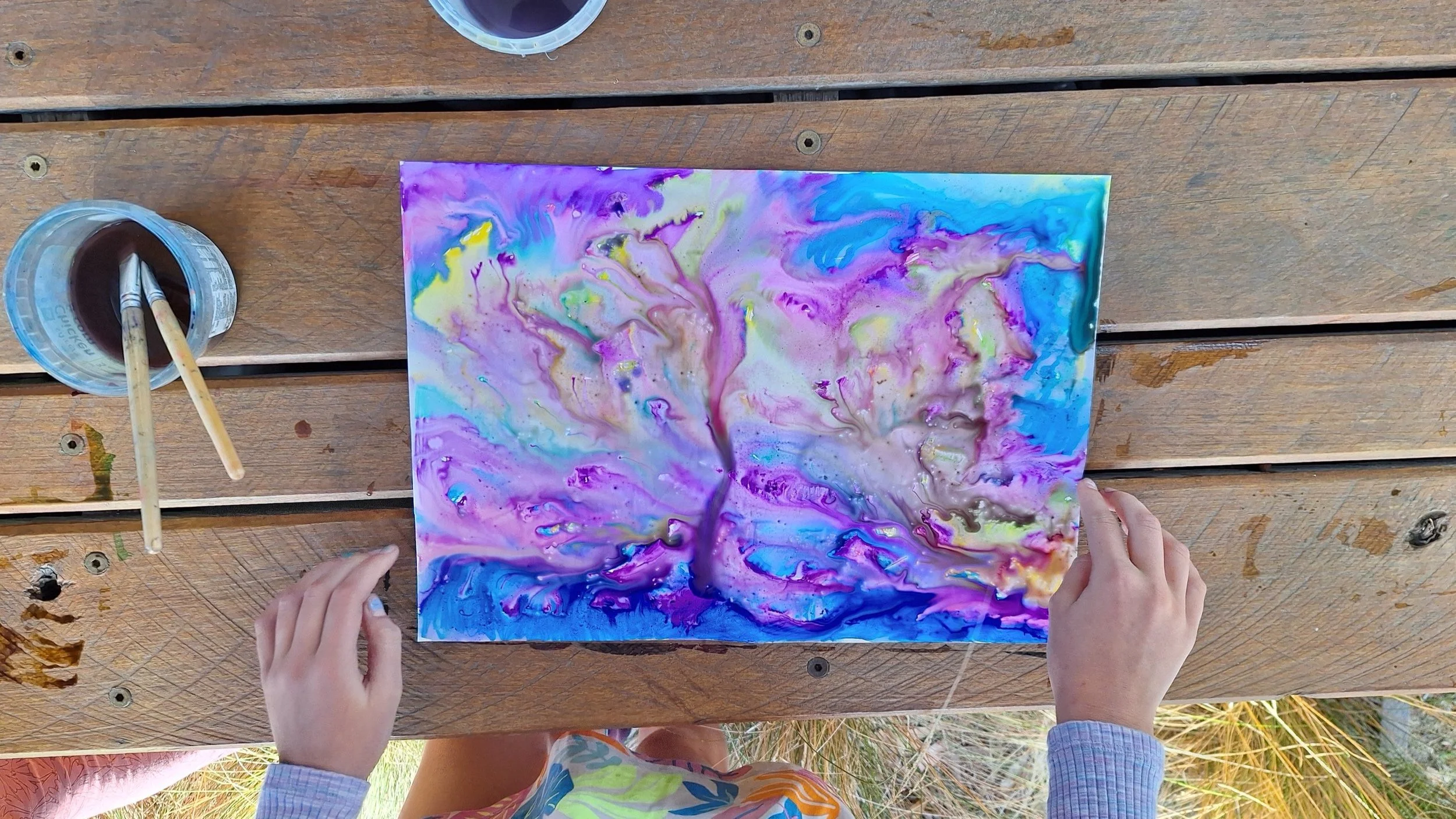
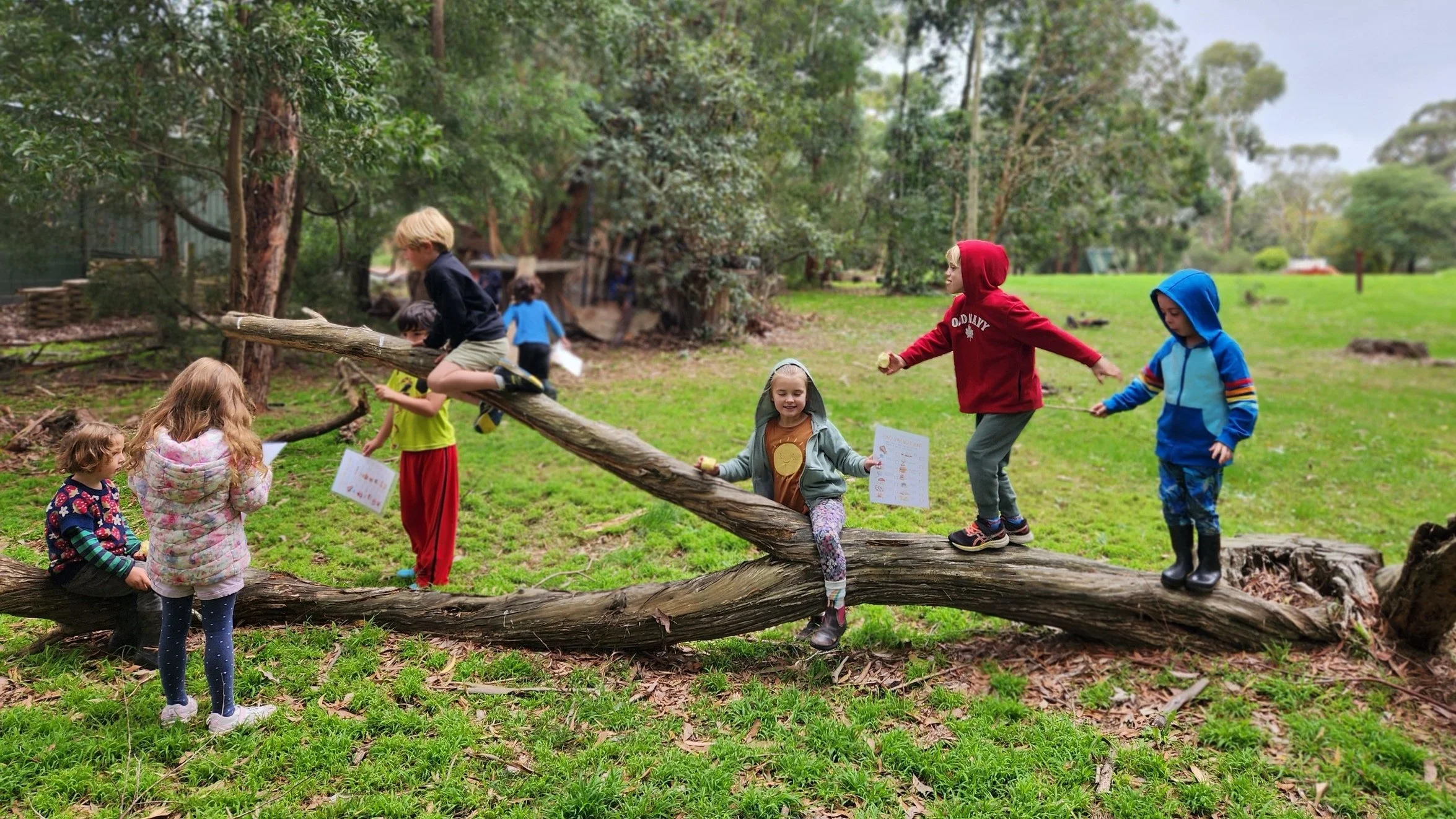
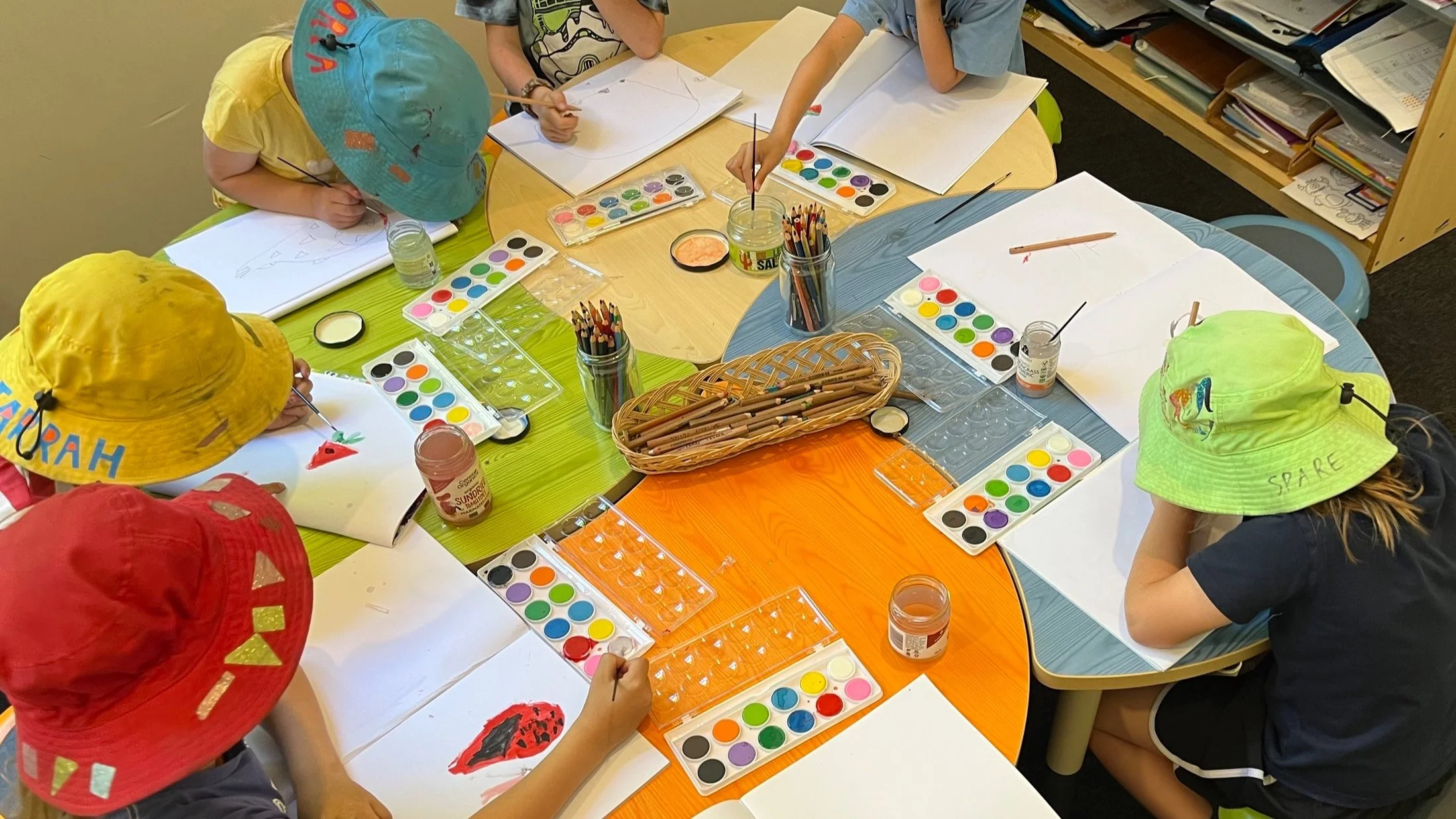
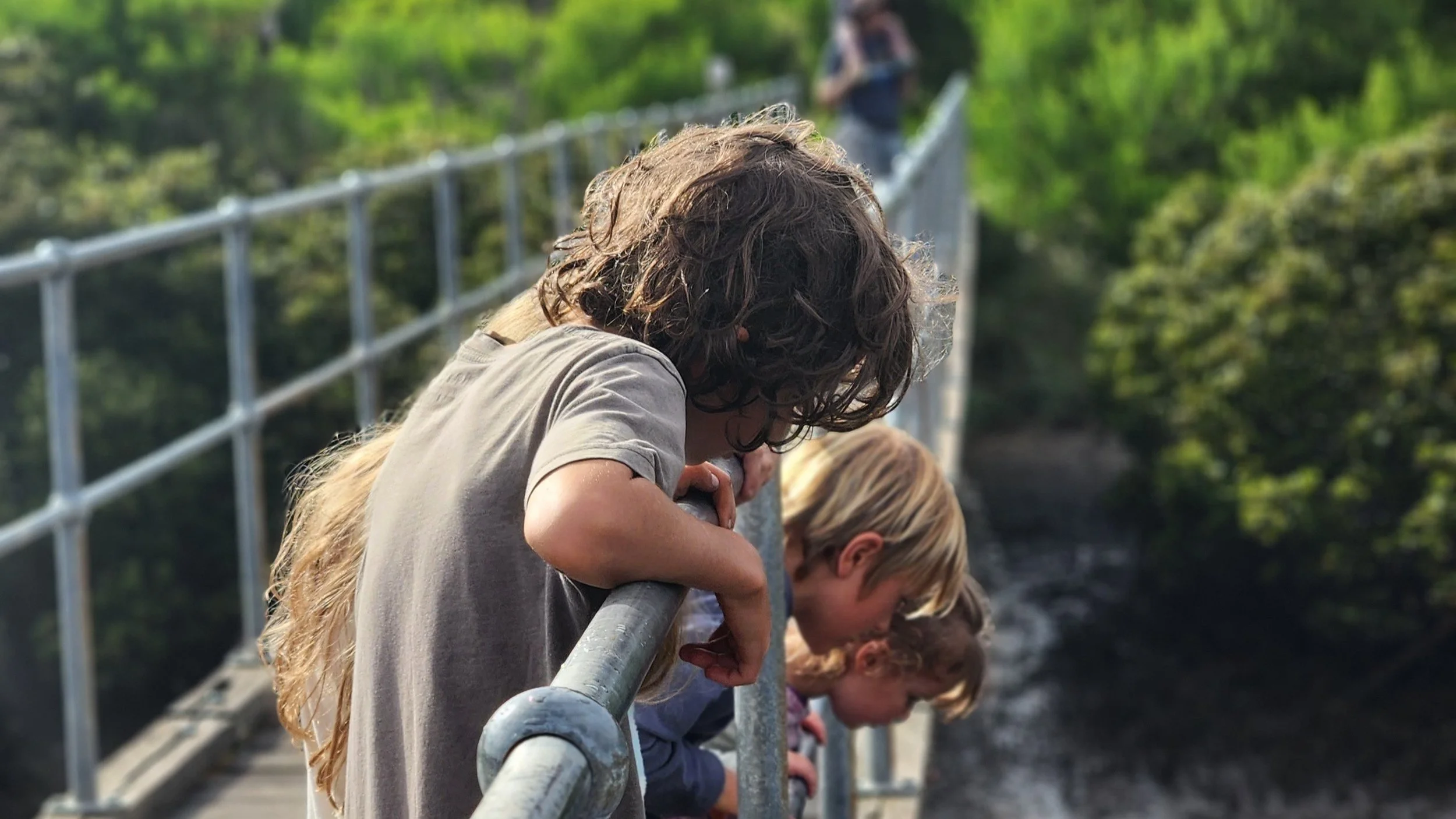
A UNIQUE RANGE OF LEARNING OPPORTUNITIES FOR CHILDREN
Koonwarra Village School couples the Victorian Curriculum with our own curriculum priorities to provide a unique teaching and learning environment. Our philosophy and guiding principles outline the broader framework for teaching and learning, informing our day-to-day school life.
The Victorian Curriculum forms the basis of our academic program, whilst a series of additional programs and elements are integrated across all the features of school life. The school’s approach is also expressed at Phillip Island Village School and Village High School, which were founded with the same philosophy. All three village schools have evolved in their own way and have their own individual ‘flavour’, but are underpinned by the same shared values and principles.
At the heart of our teaching and learning model is a comprehensive framework developed by KVS that supports the incremental development of skills and attributes to become an ‘effective learner’. An effective learner understands the skills needed to work independently and collaboratively to achieve learning success. A growth mindset enables students to ‘exercise’ and develop a suite of ‘executive functioning skills’.
As the children’s skills develop, they begin to share decision-making with their mentors about the order and timing of their work tasks and how they are undertaken. The intention is to support children in becoming effective learners, with the understanding that these skills continue to develop over a lifetime and that there is no ‘fixed’ endpoint.
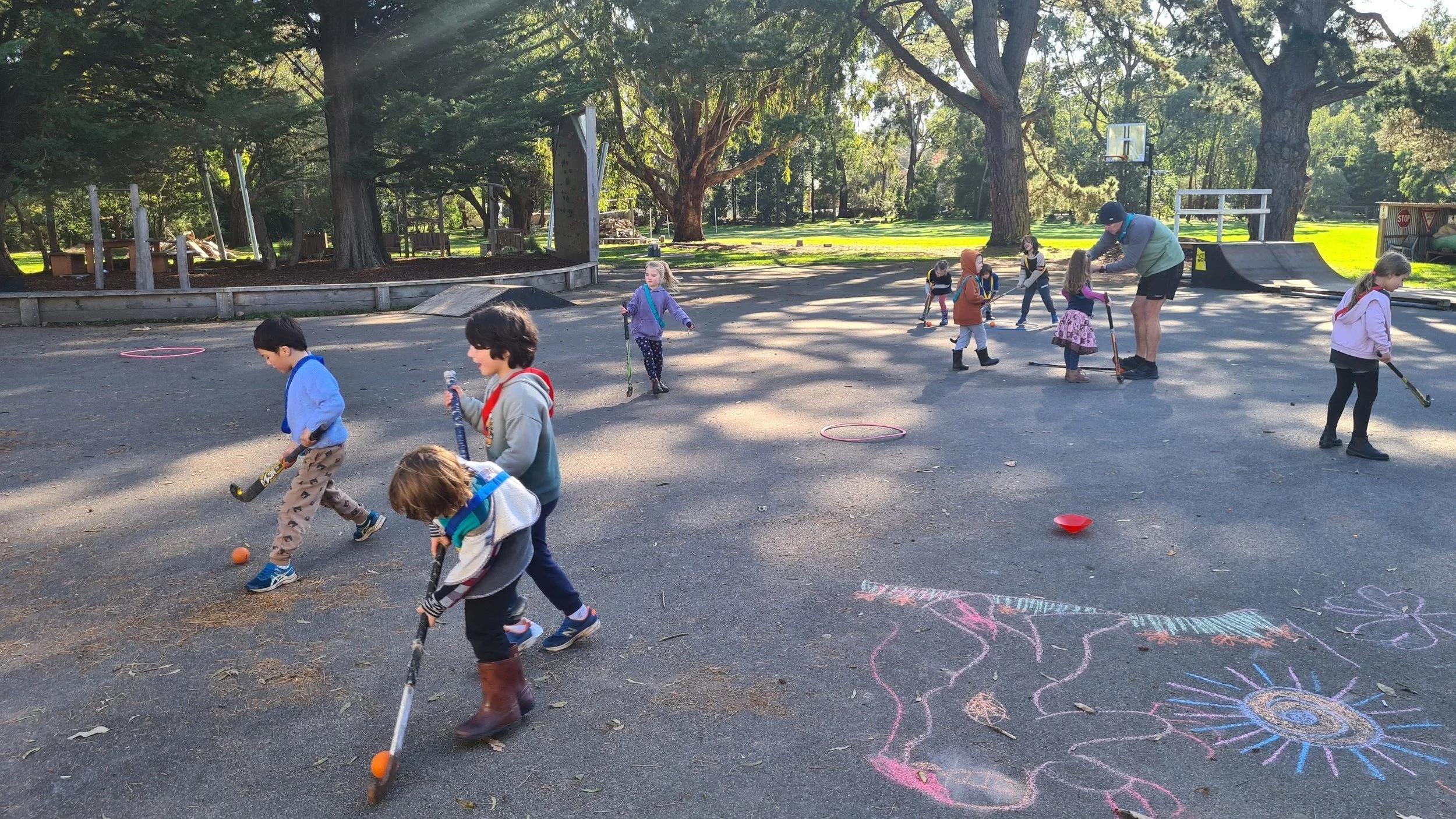
This progression is also reflected in our Student Planners, which are used alongside a structured daily timetable. A standard day at KVS includes periods of small-group direct instruction, independent learning time and whole-group activities.
WHOLE SCHOOL PROGRAMS
KITCHEN GARDEN
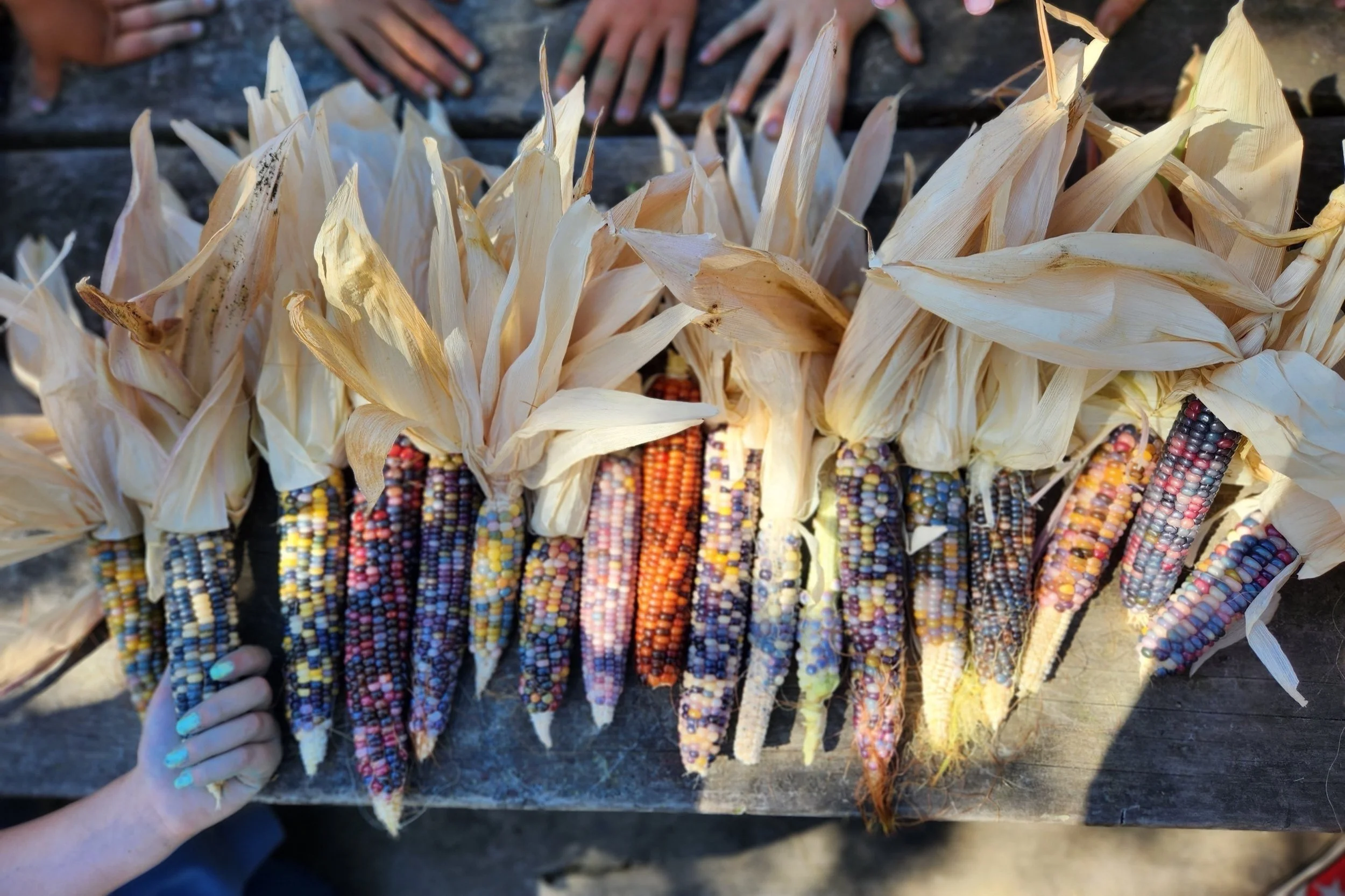
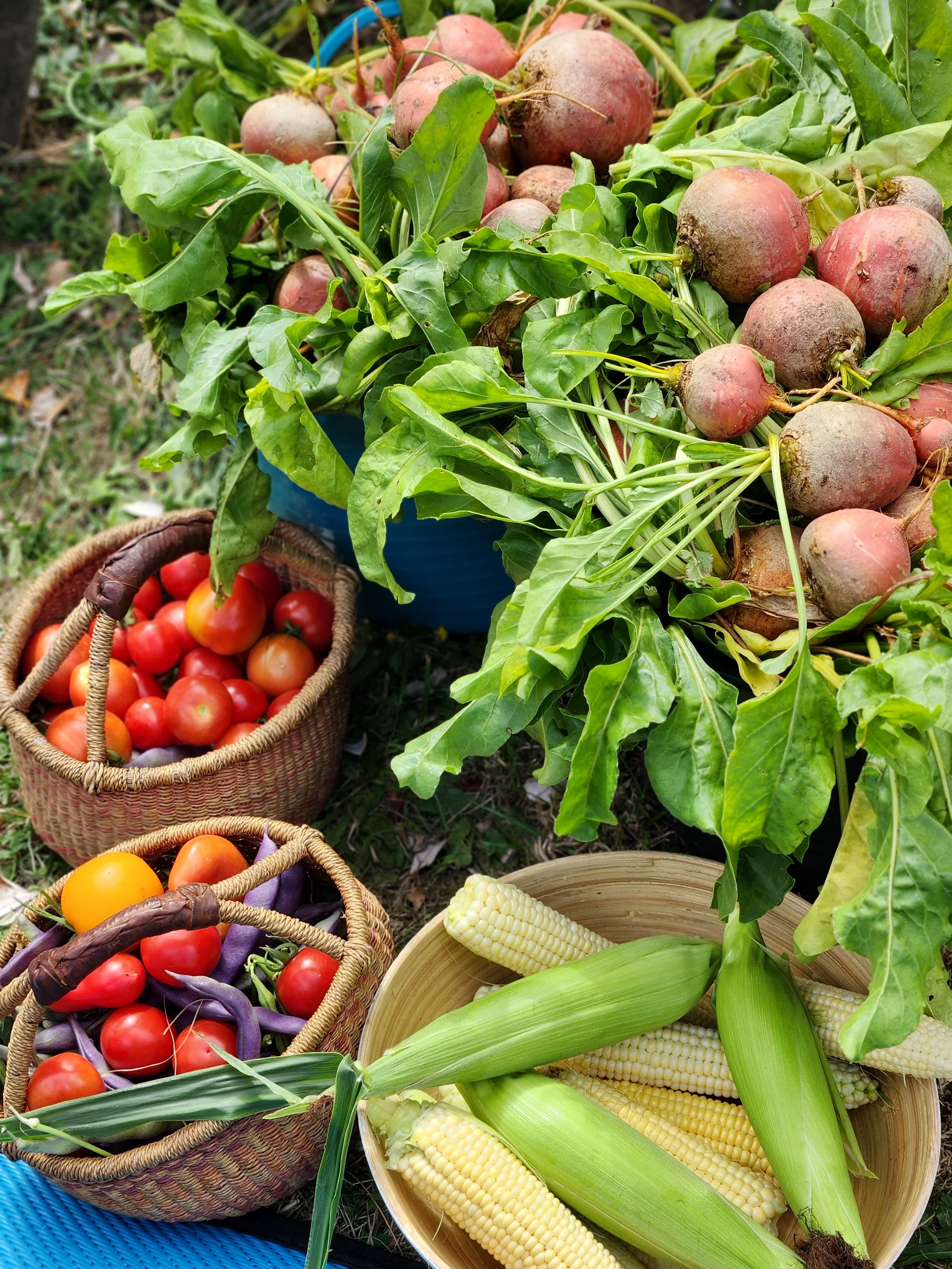
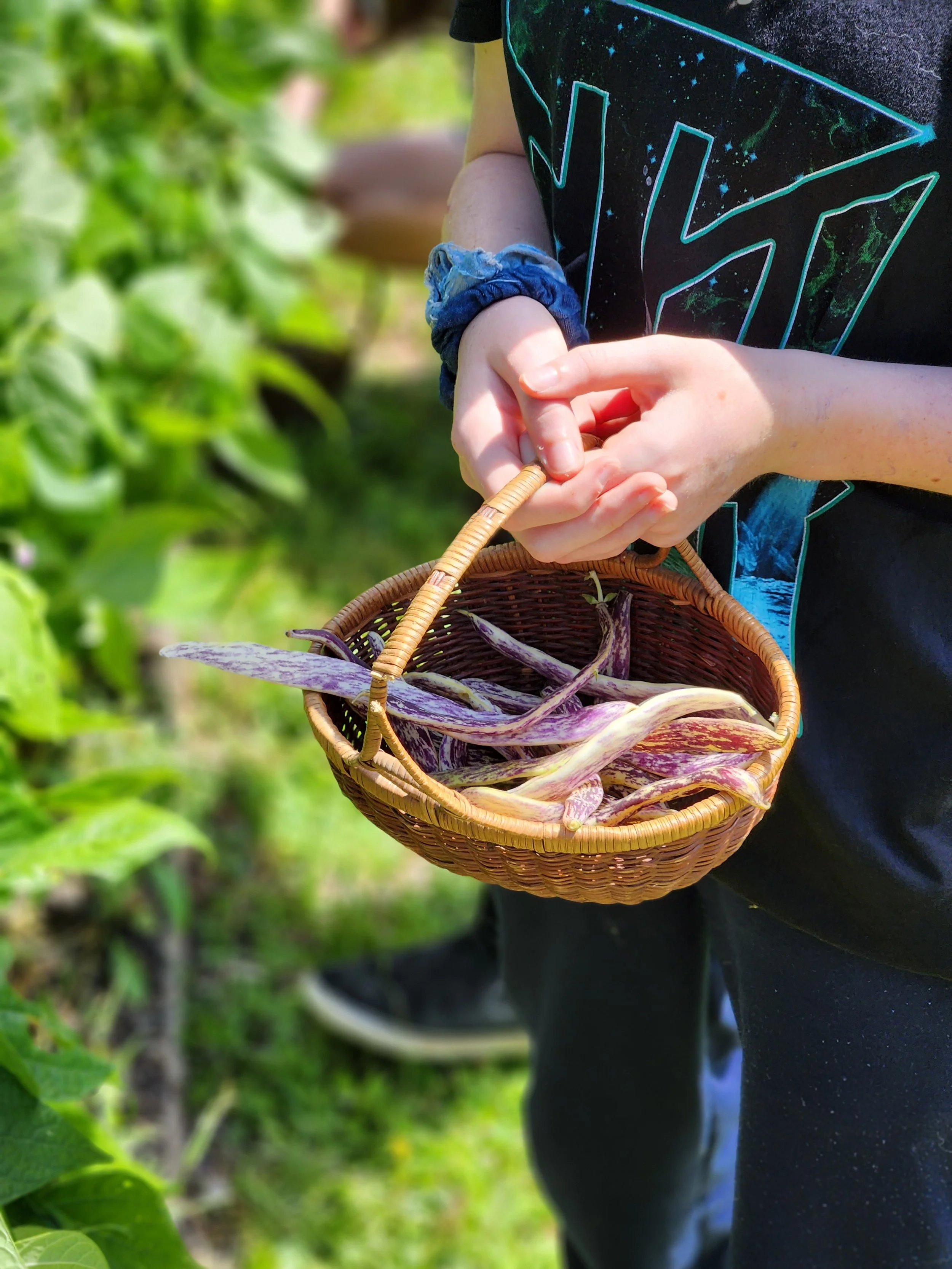
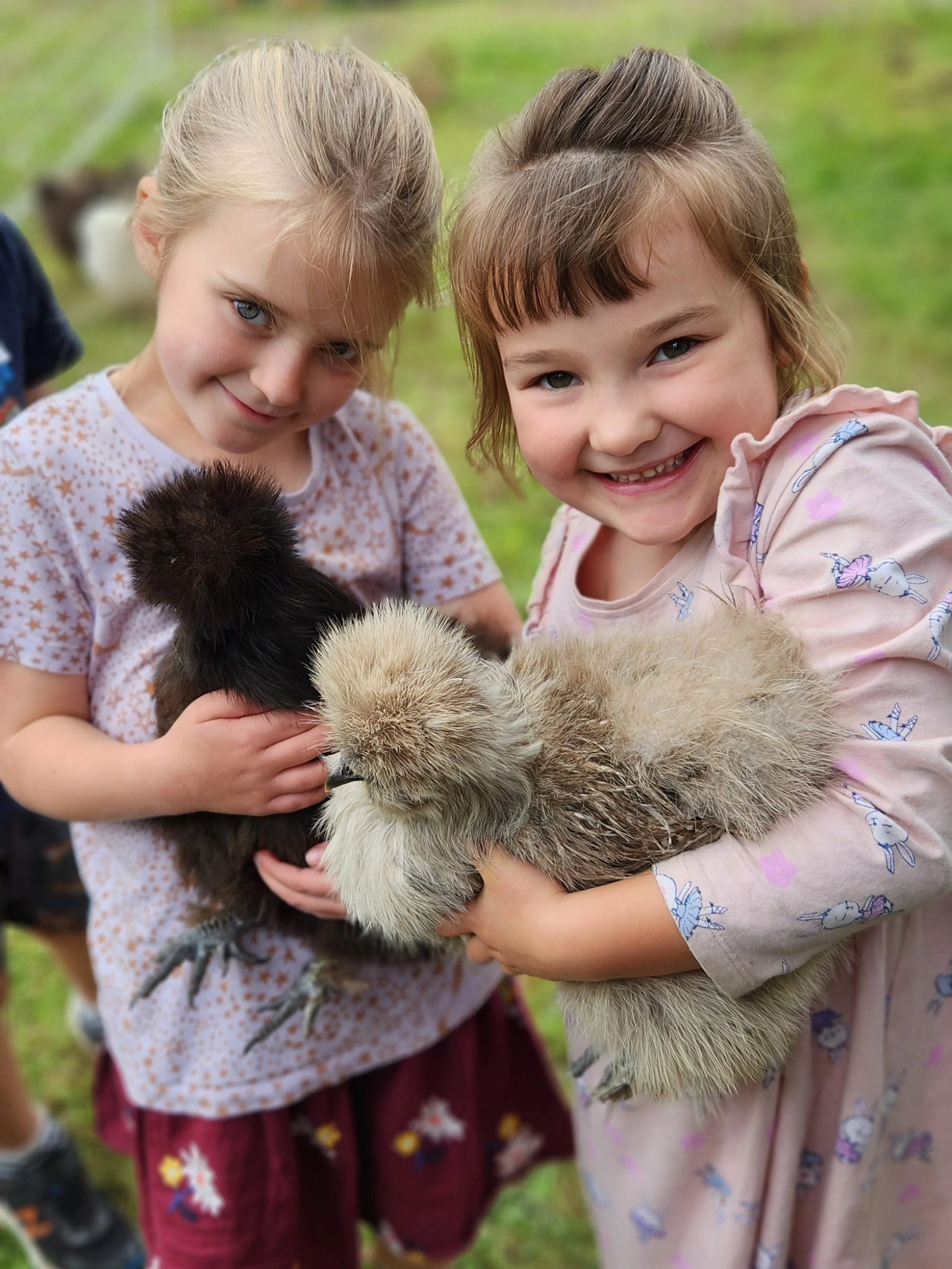
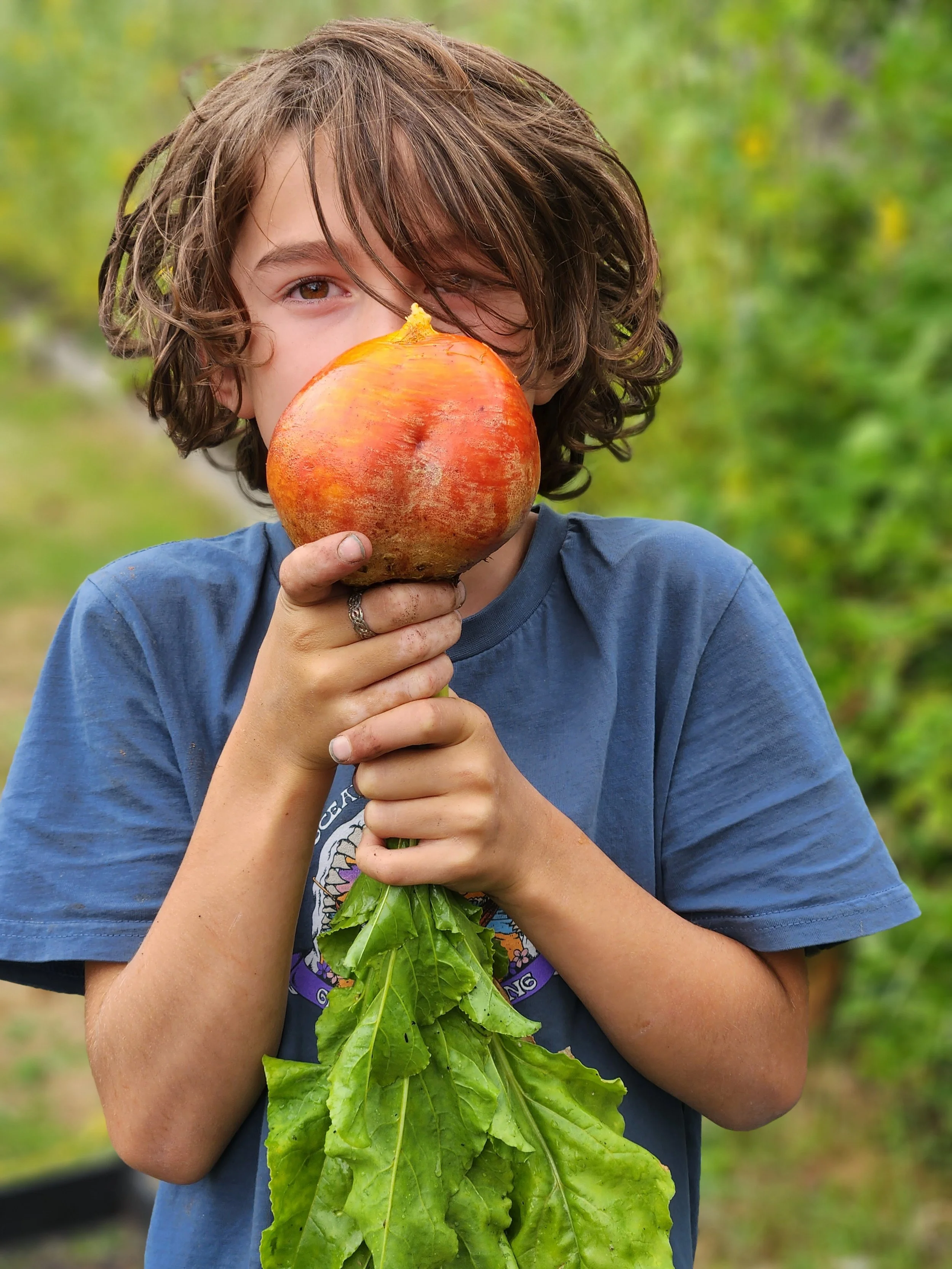
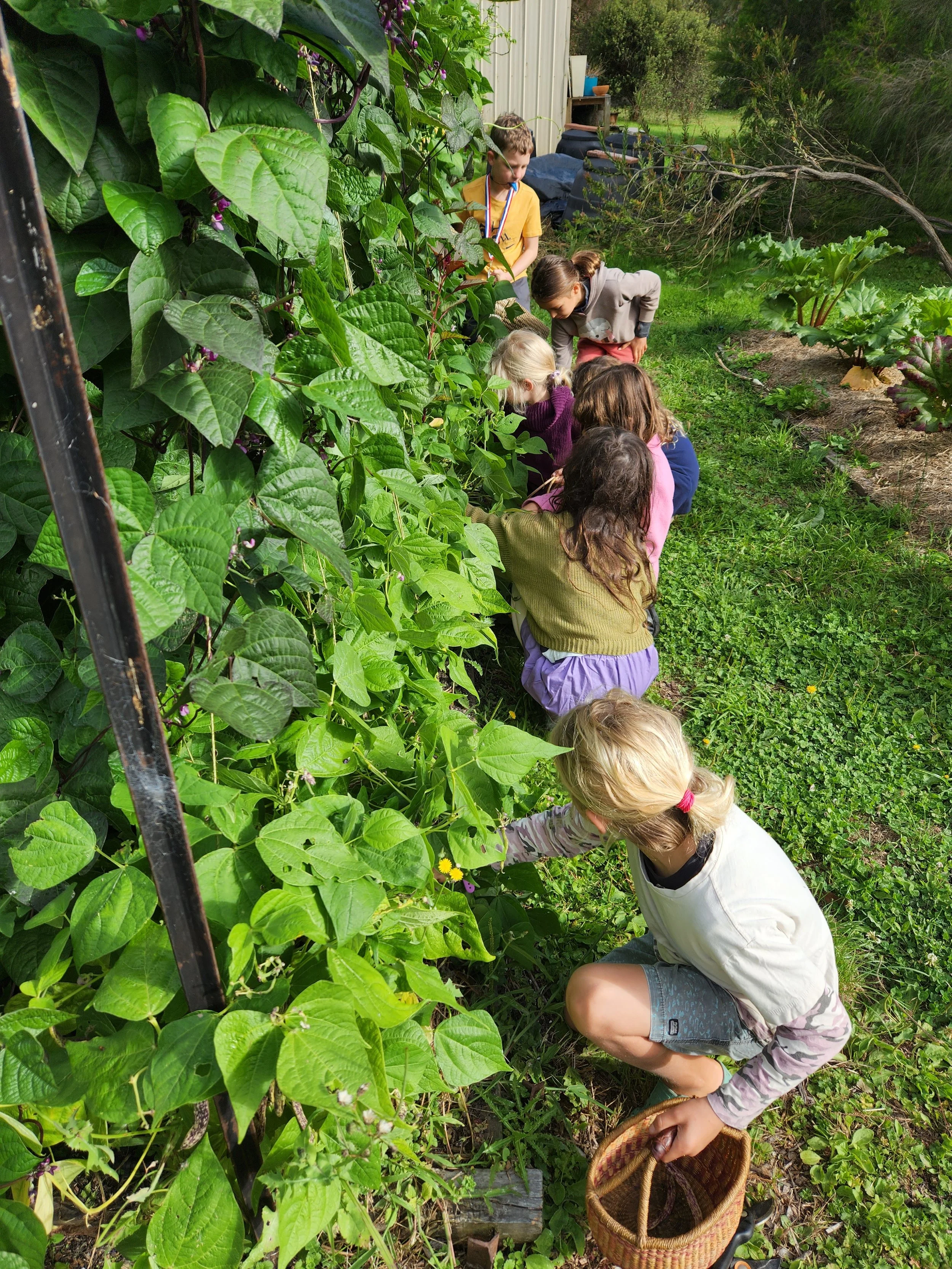
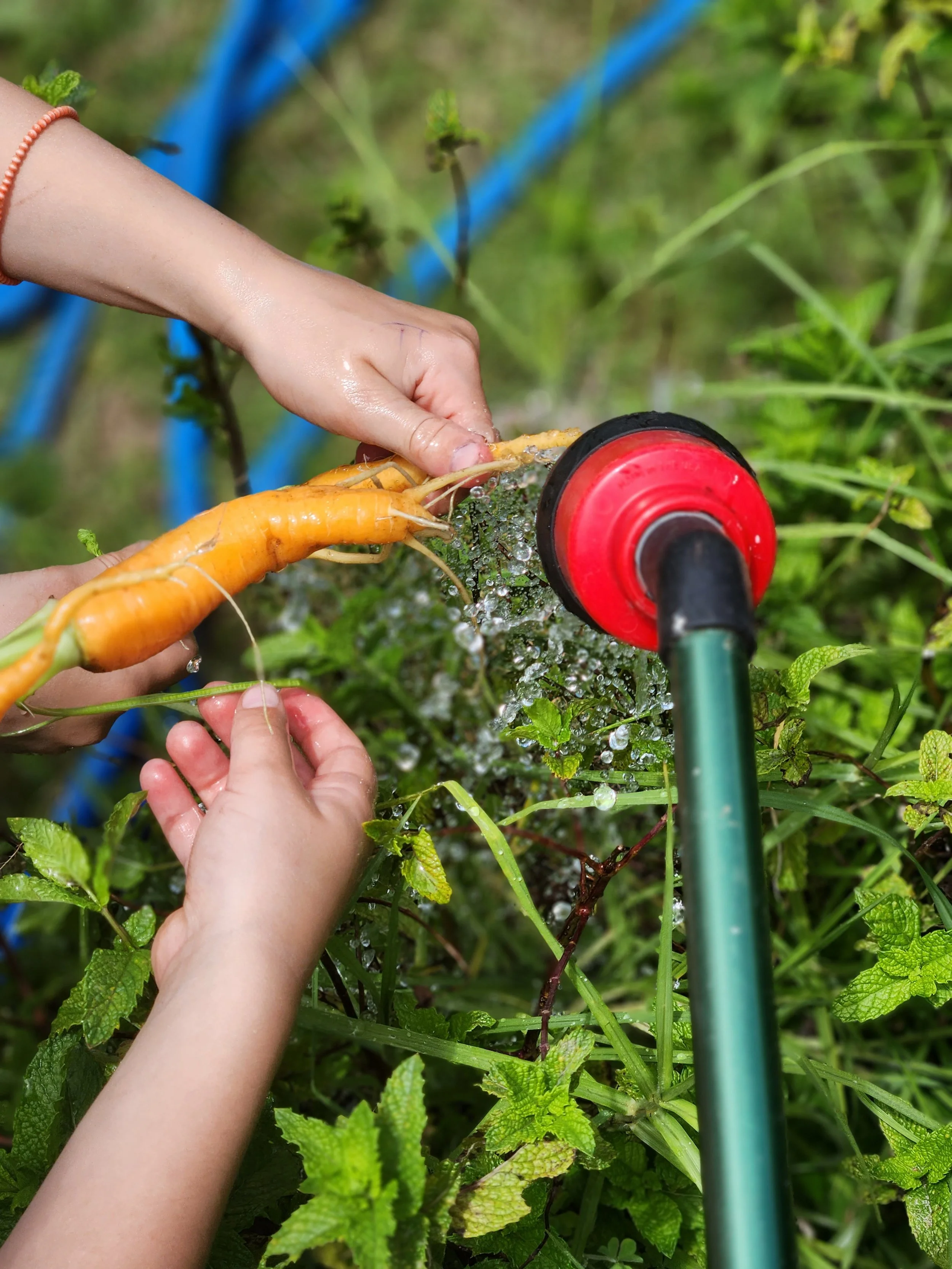
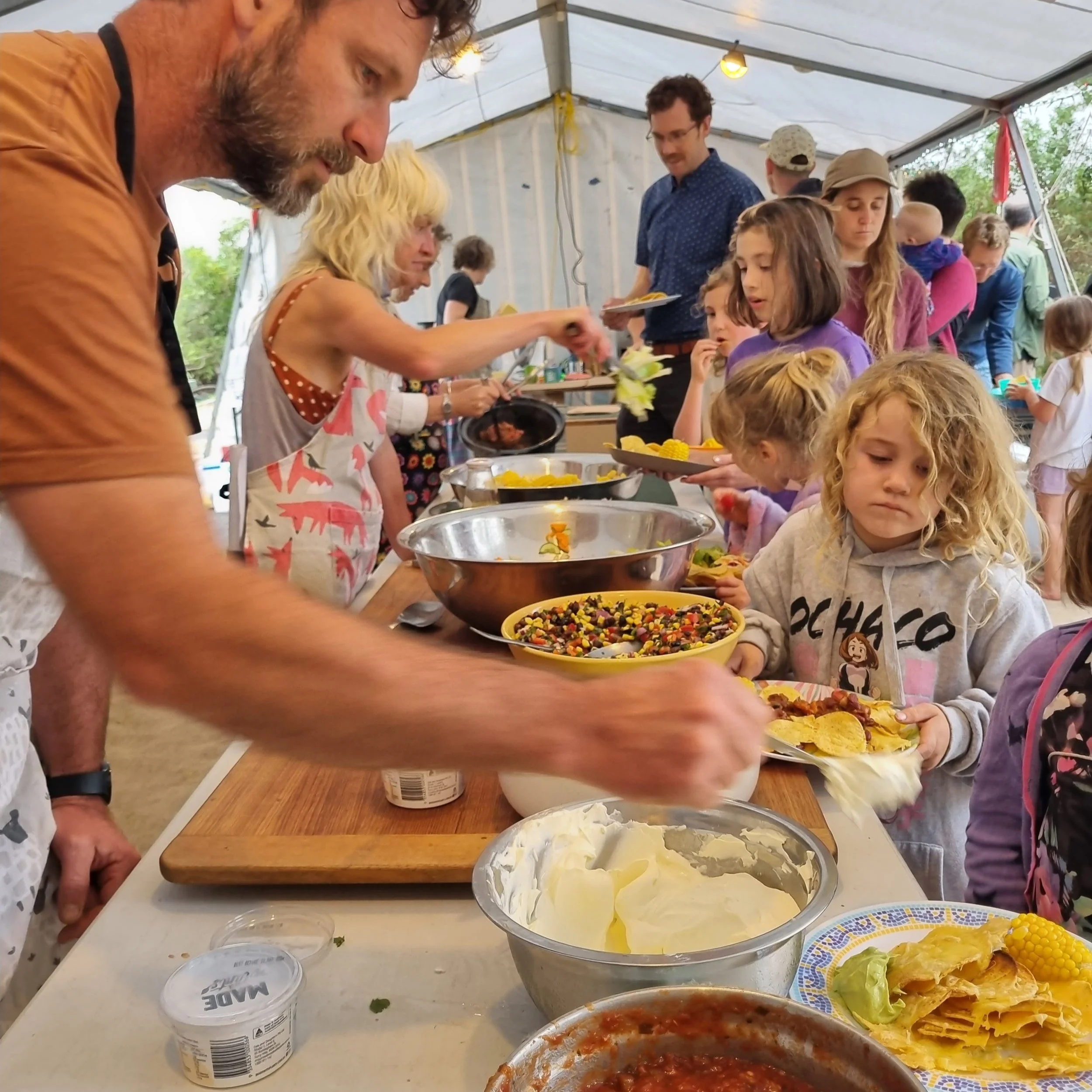
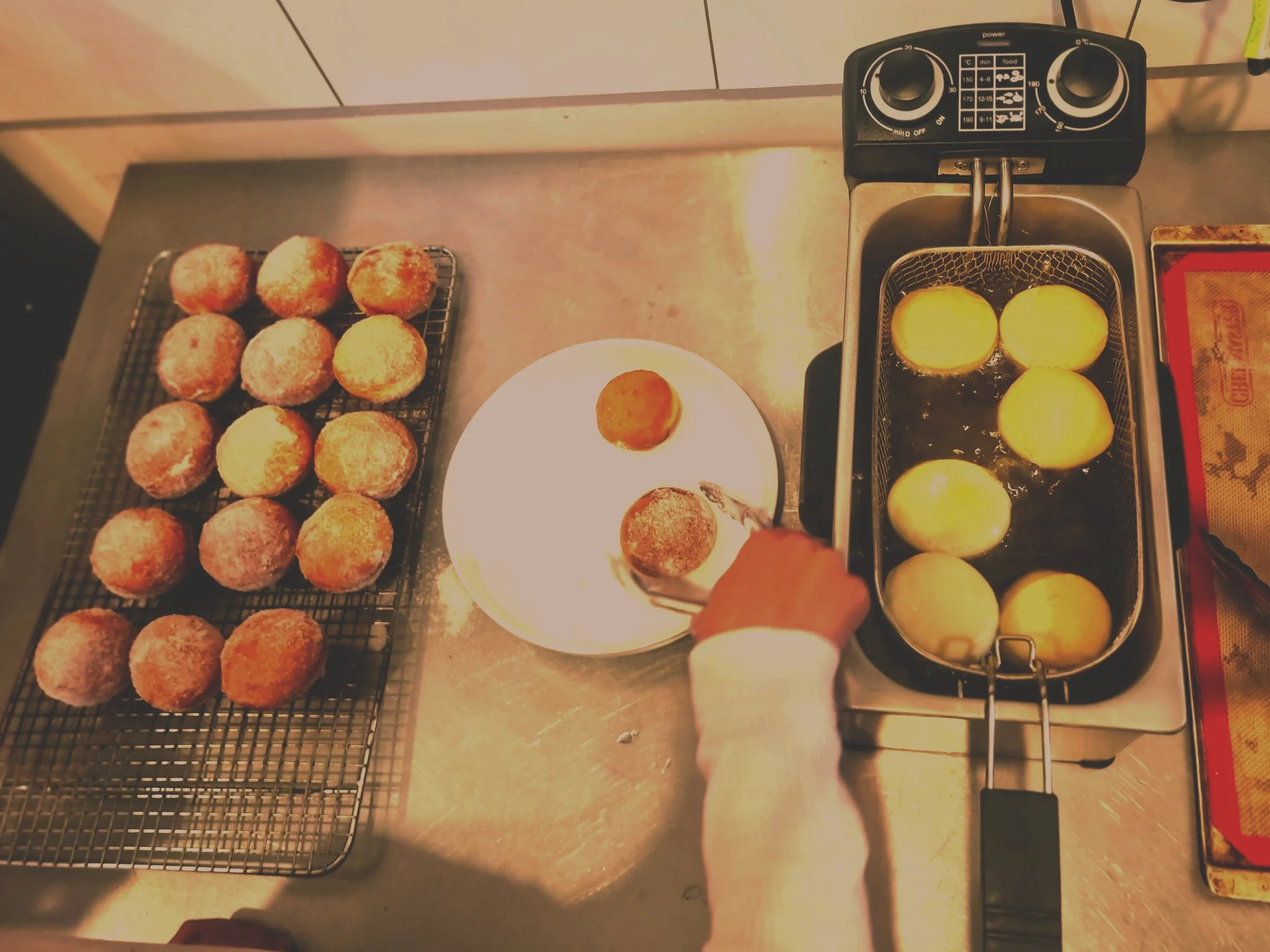
KVS has an extensive garden and a commercial-grade kitchen. Students spend time each week working in the Kitchen and/or Garden, learning about seasonal food production and preparation. This process begins with building and maintaining healthy, living soil, and continues through harvesting, preparing and sharing food. Food produced in our organic garden beds contributes to our daily snacks and lunch menus. The kitchen is, in many ways, the heartbeat of our school and integral in cultivating community at KVS.
Parliament
Parliament is a regular forum where children and mentors discuss issues related to life at KVS, including school agreements, social issues, and ideas for how to improve our school further. The intention of this forum is to provide a formal space for student voice to be expressed, to encourage children to become active participants in the development of the school program and culture, and to provide opportunities to practice speaking in front of a group, listening to the ideas of others and identifying solutions to group needs.
FAMILY CAMP (FAMP)
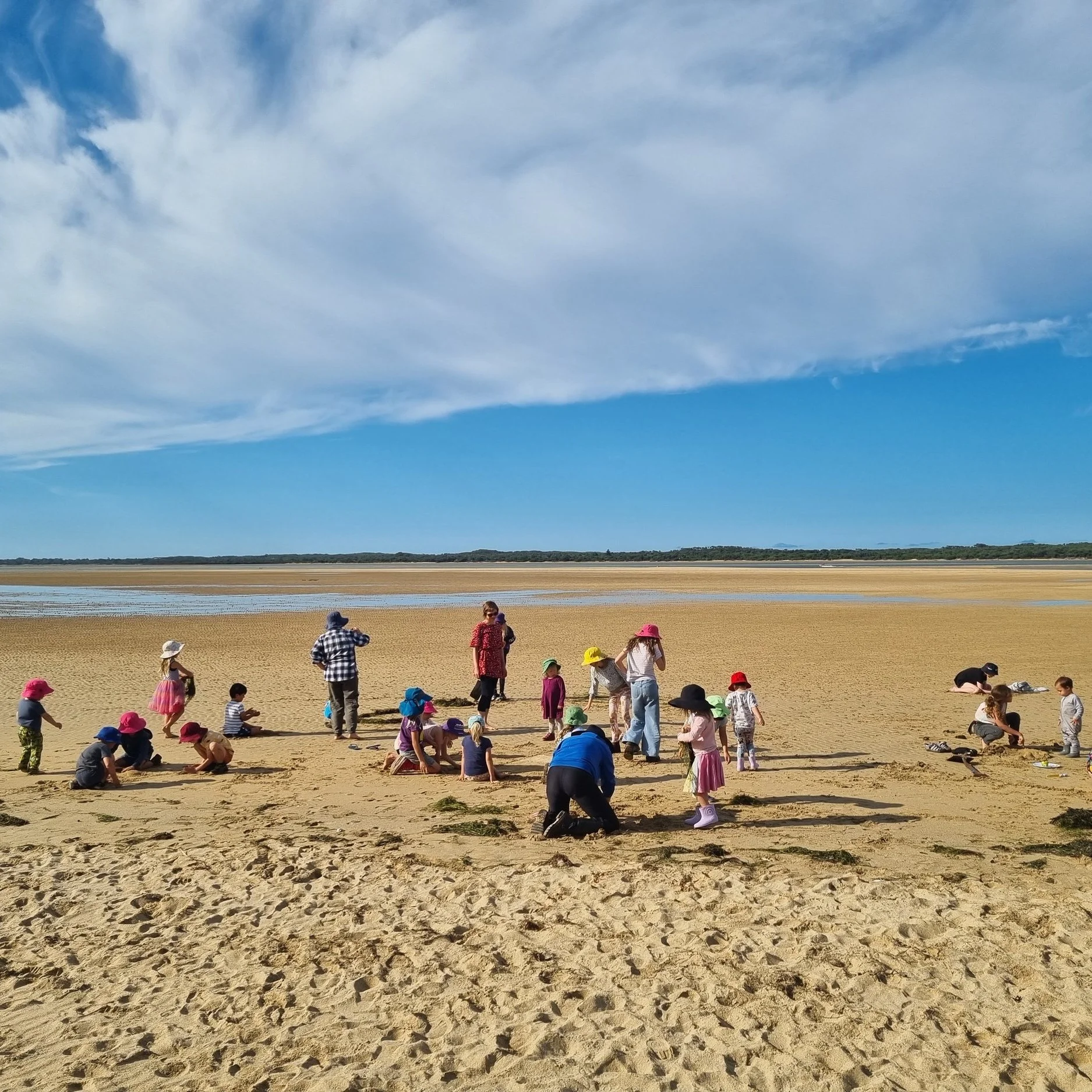
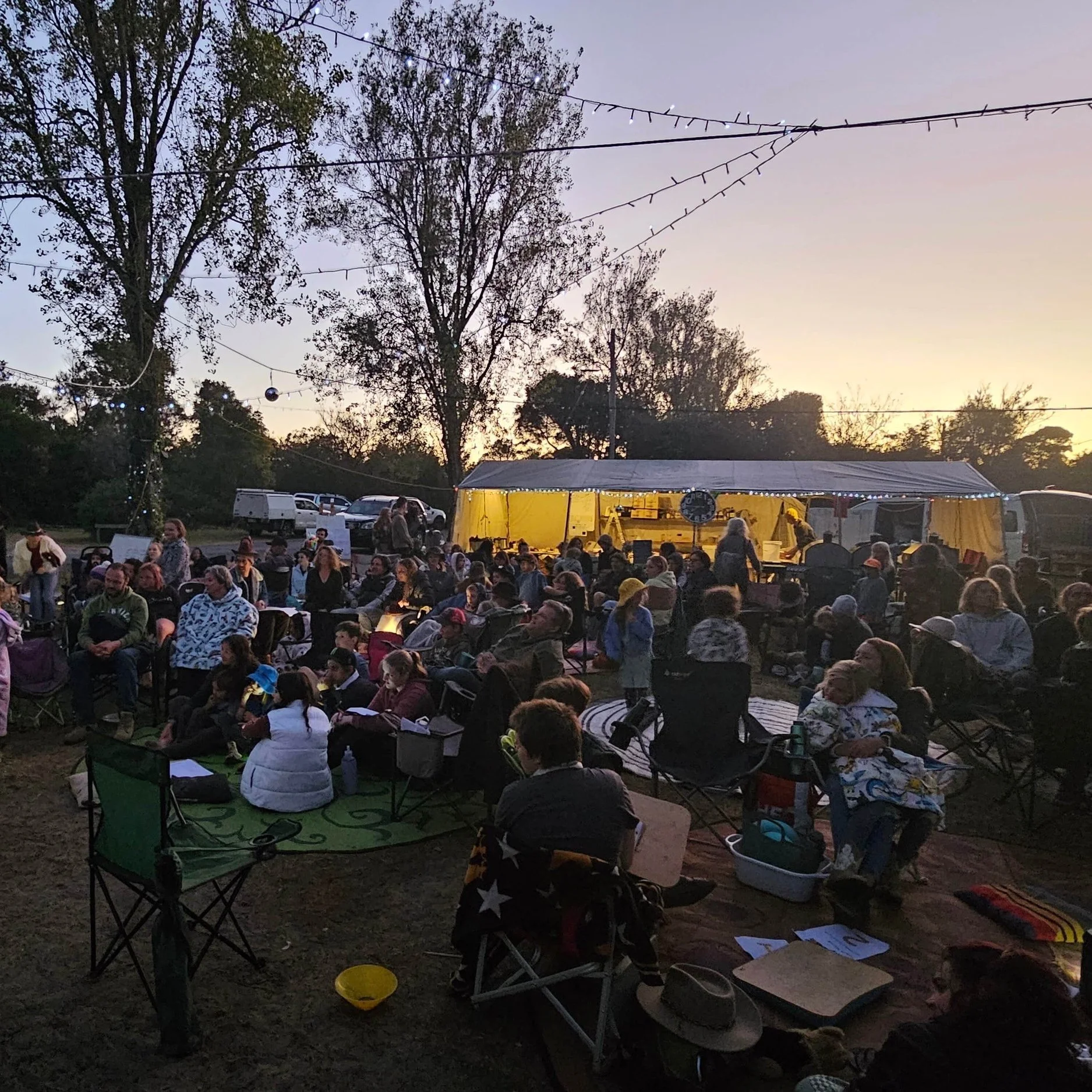
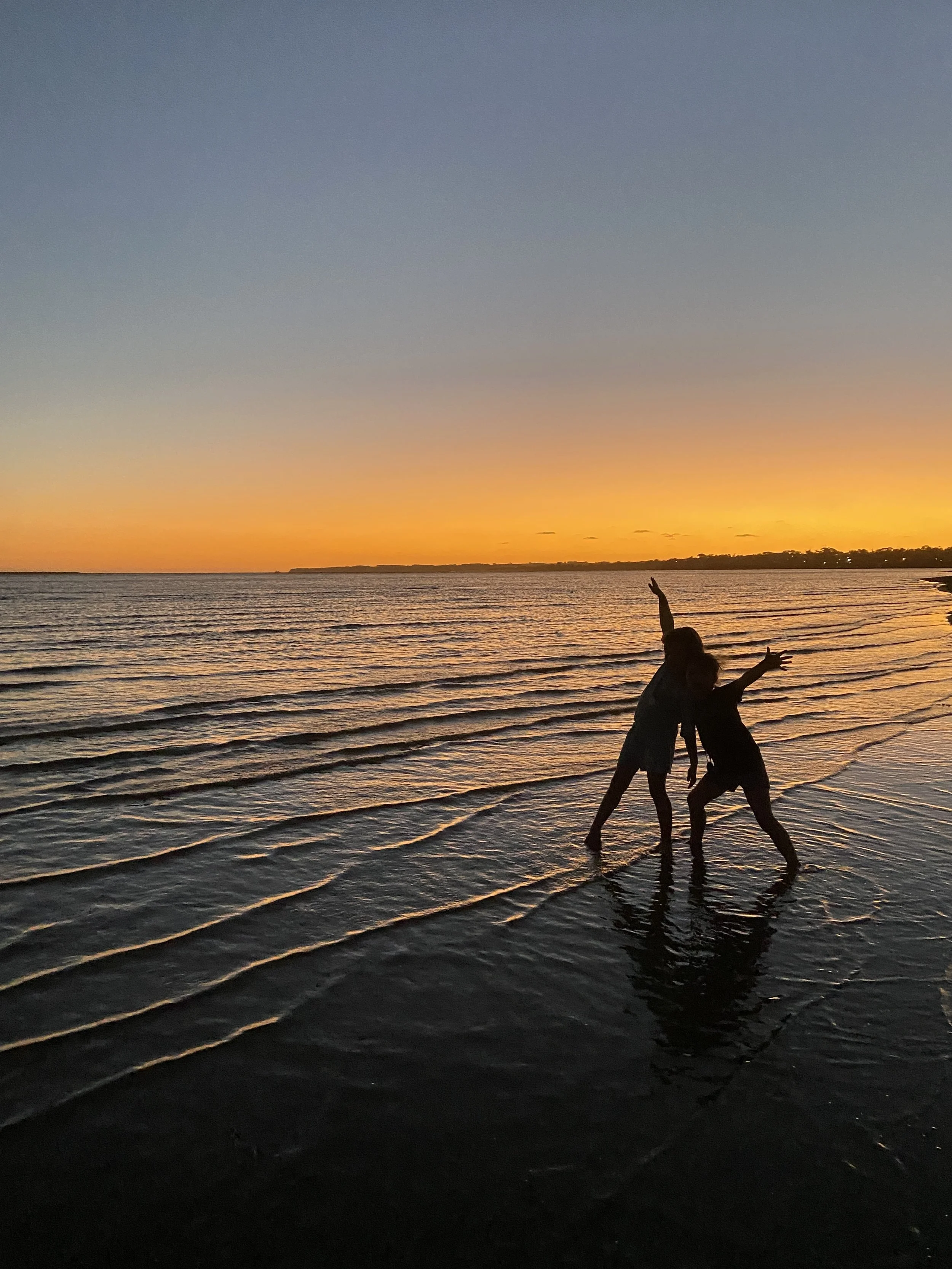
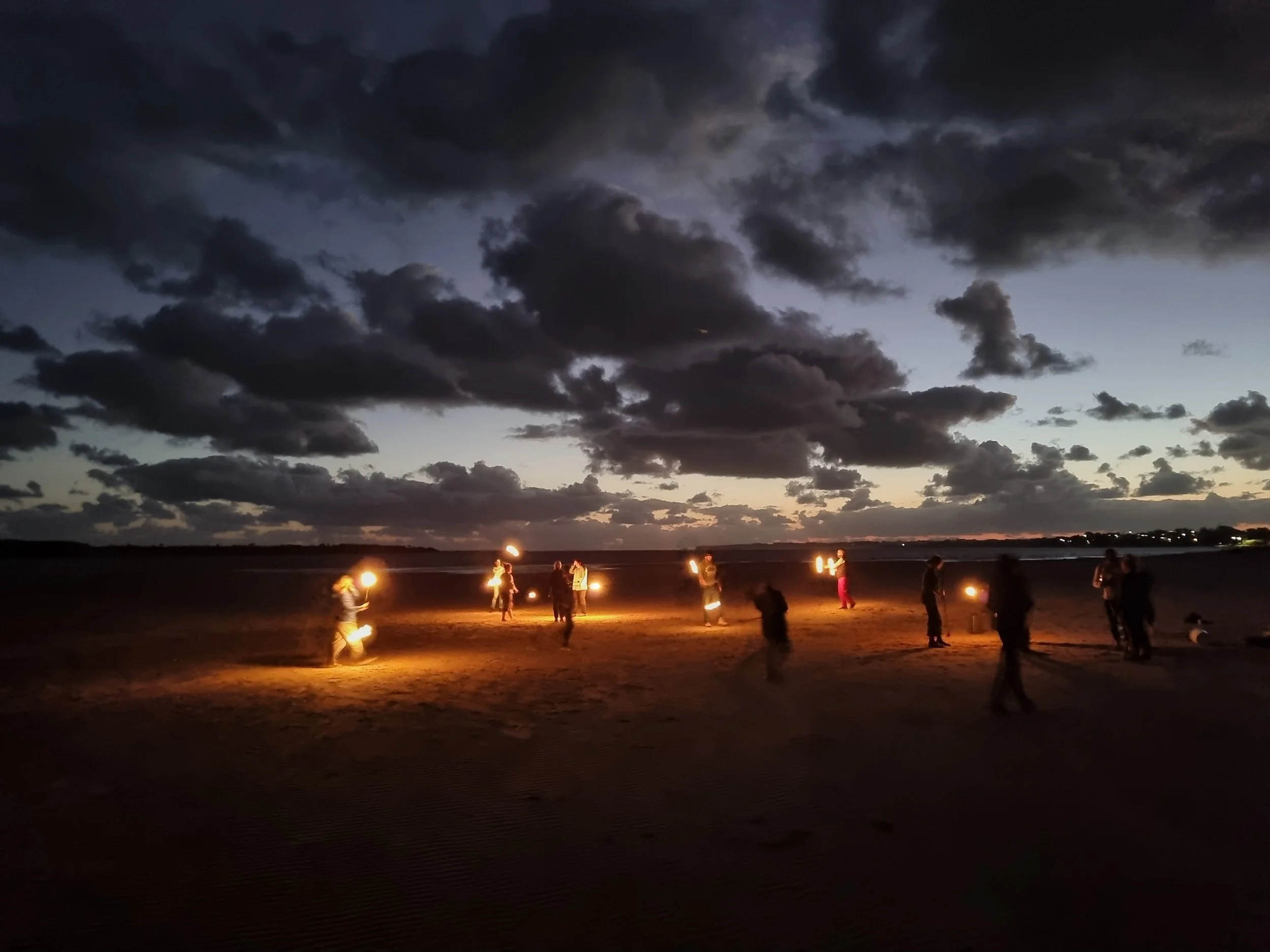
An annual event that kicks off each year is the larger community Family Camp (FAMP). All students, their parents and siblings get together over two to three days for a mix of structured activities and informal times of connection and community development. This event is a great opportunity for new families to get to know the community and to develop stronger ties and relationships.
Sun room programs (Foundation - Level 1)
sparks
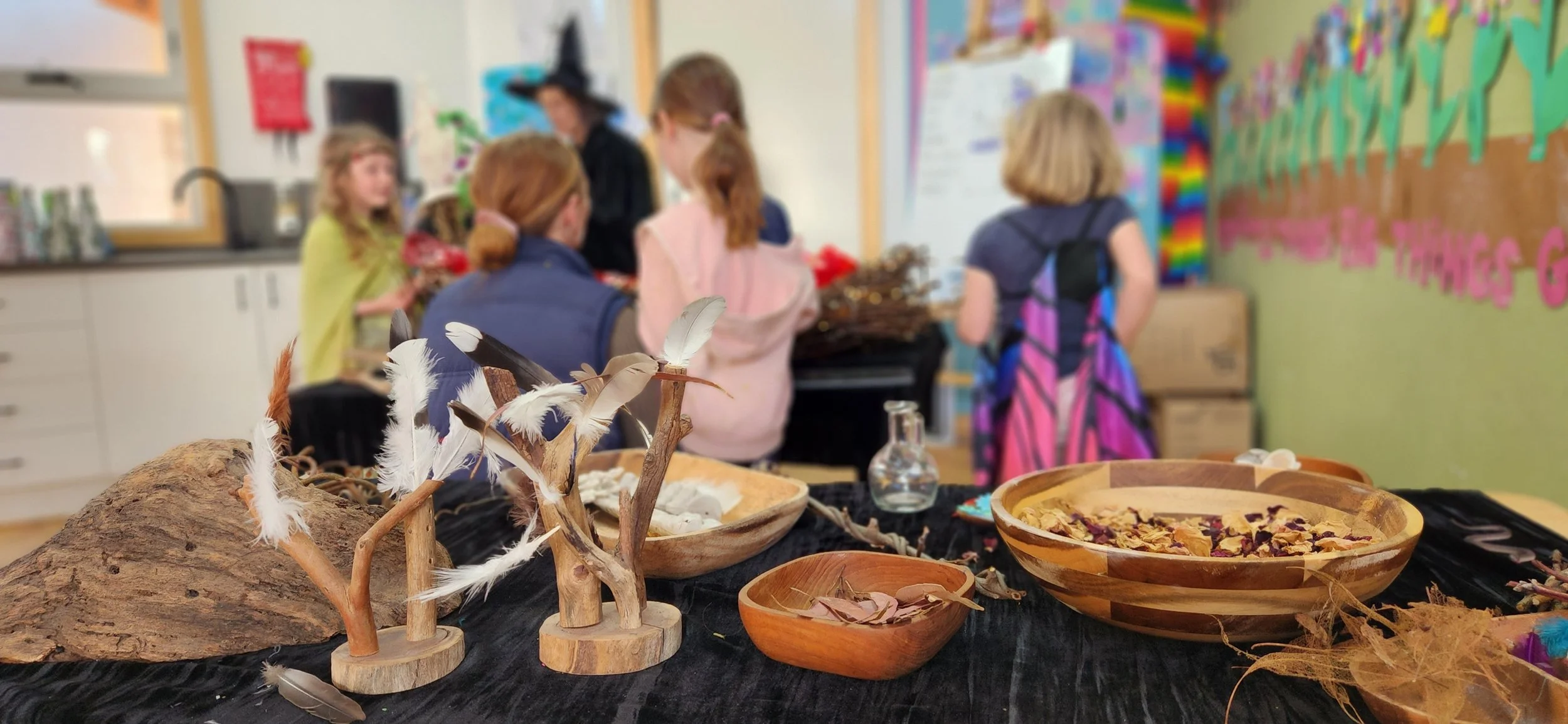
Each cycle, the Sun Room is immersed in a new ‘Spark’ or key theme/big idea. These open-ended provocations relate to a co-created space that provides students with opportunities to explore, play, communicate, collaborate, and create. Sparks are a consistent part of Sun Room students’ school experience. Some popular Sparks have included Oceans, Animals, Theatre, and Magic.
OUT ‘N’ ABOUTS
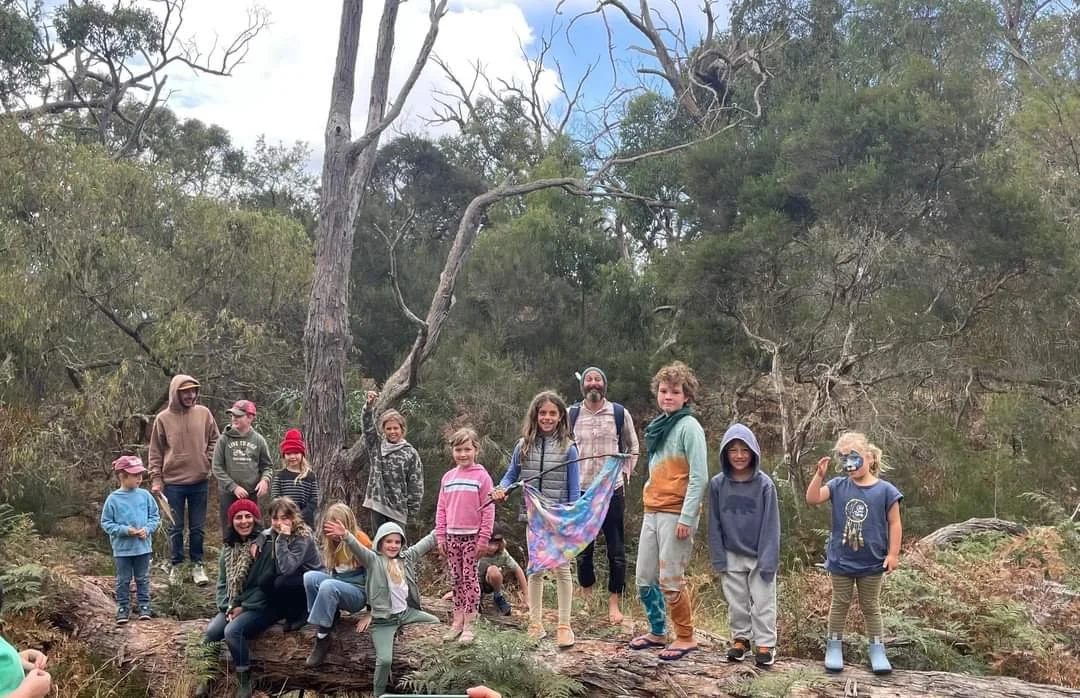
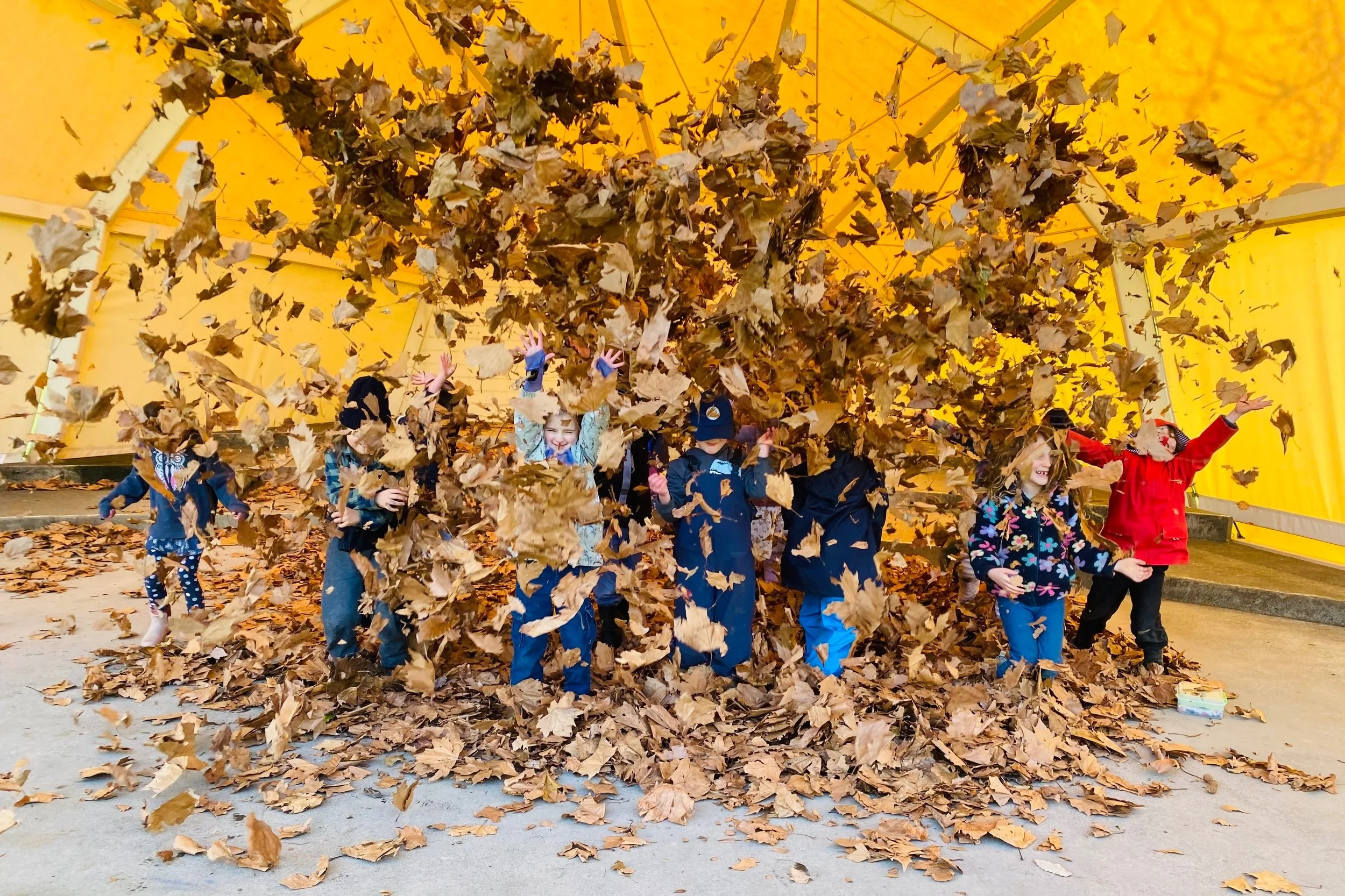
Having experiences away from school grounds is a key part of the whole school program. Our Sun Room students get Out ‘N’ About regularly, visiting local towns and the many beautiful natural spaces in our area. Often, these adventures are linked to the cycle's themes or focus on how to use and access local services, such as the library.
NATURE JOURNALING
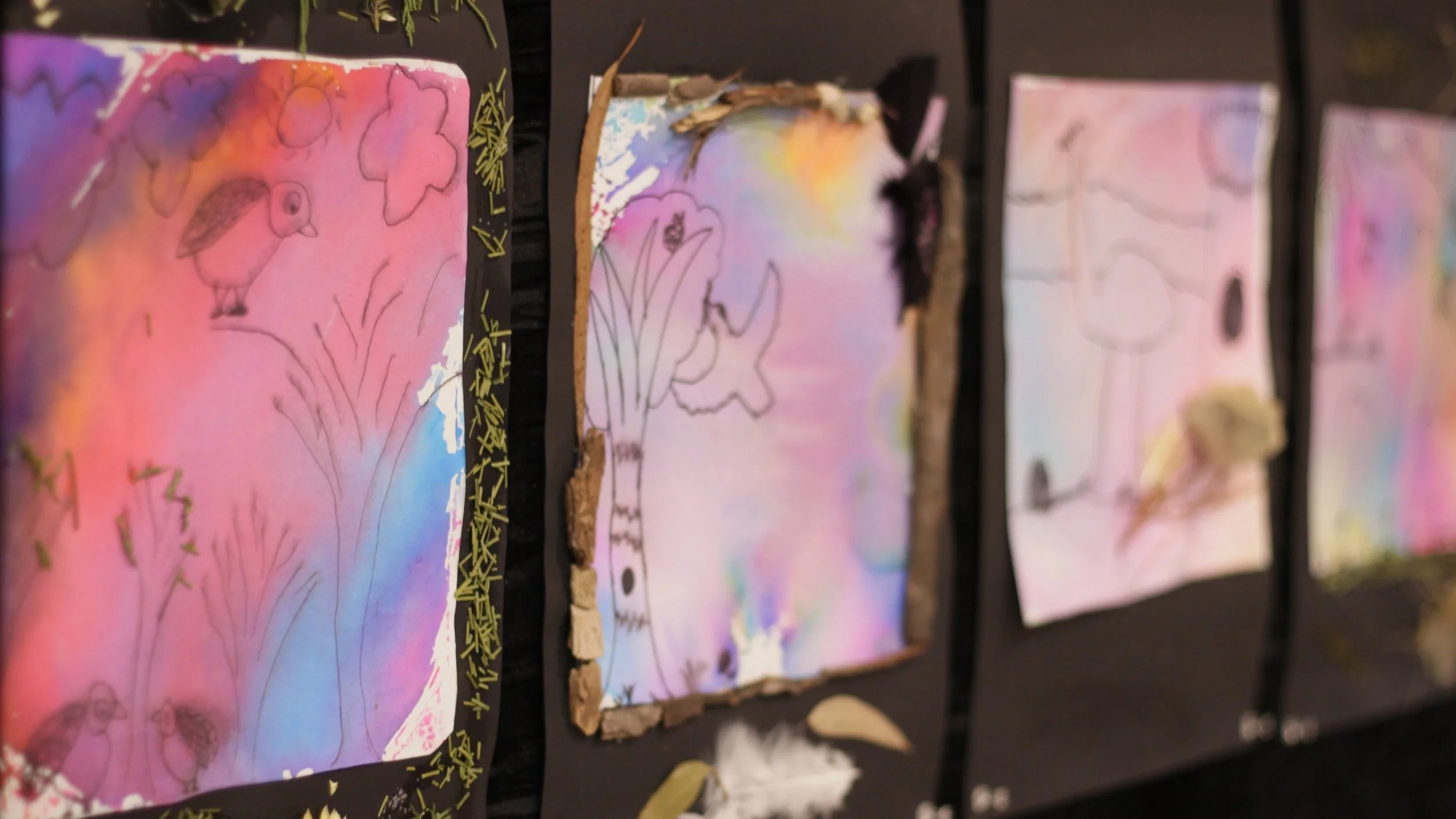
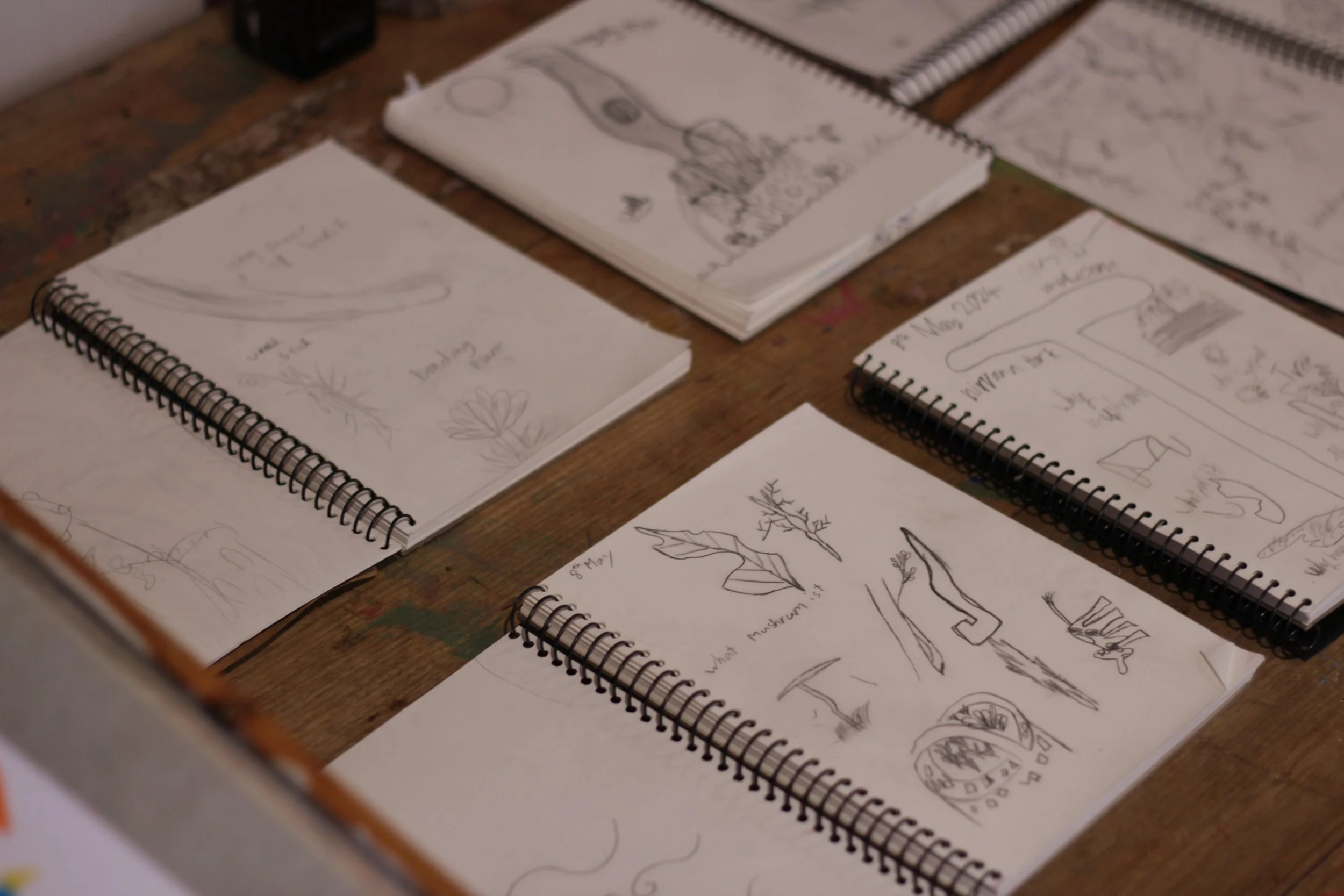
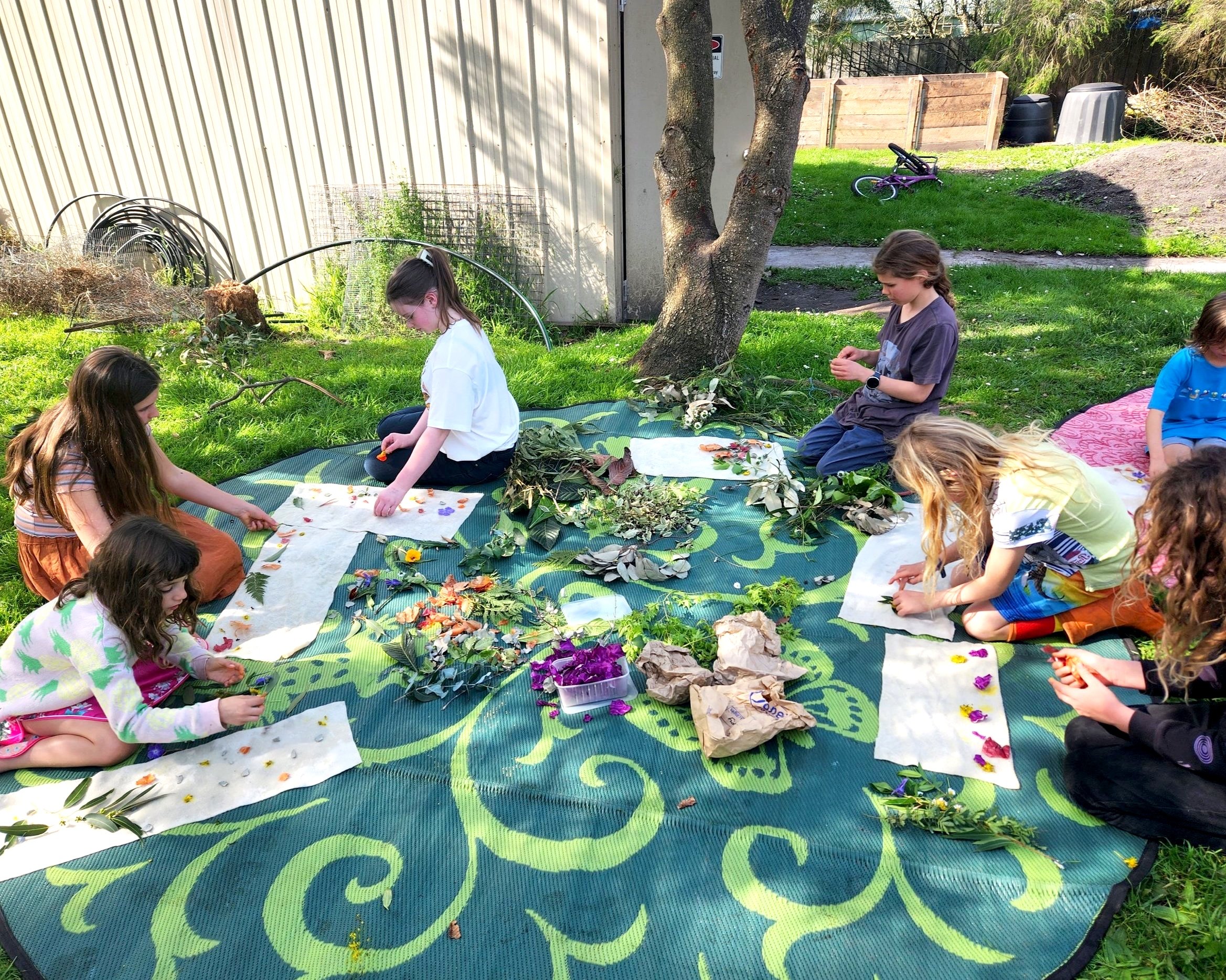
Nature Journaling is the regular recording of observations, perceptions, and feelings about the natural world from first-hand experience. We have found that it helps to develop stillness in the children as they tune in to the sounds, sights and smells in their natural environment. The Sun Room students spend time each week nature journaling, and as they get older, Nature Journaling becomes part of the Art and Camps programs.
TRISKEL programs (Level 2 - Level 6)
Cognition and Connection
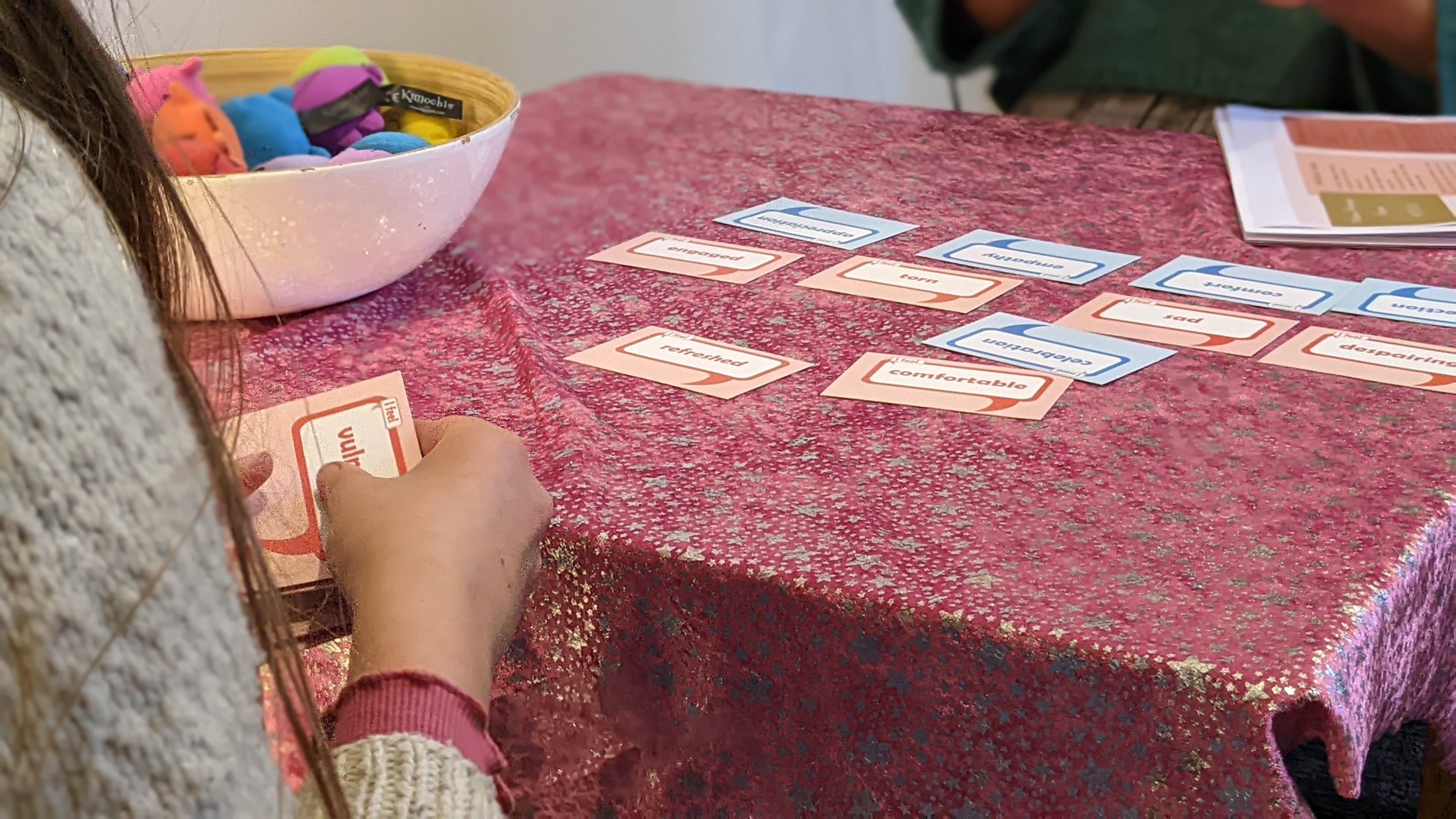
This key program supports students in developing social and emotional literacy, as well as cognitive skills, and is closely aligned with our philosophy and guiding principles. It covers a variety of topics and themes, including connection and belonging, somatic feelings and emotional regulation, nonviolent communication and restorative practices, growth mindset and neuroplasticity, executive functioning skills and intention-setting.
CAMPS
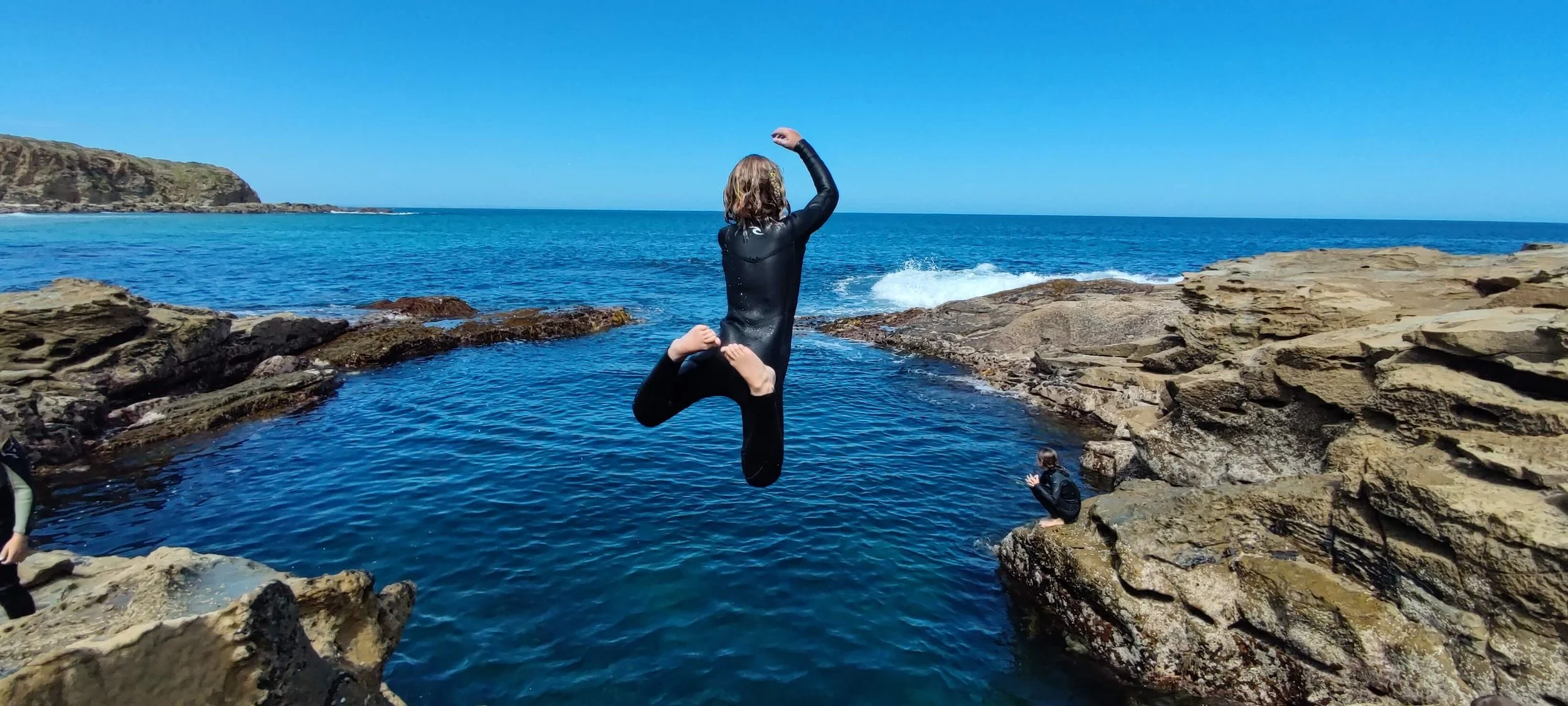
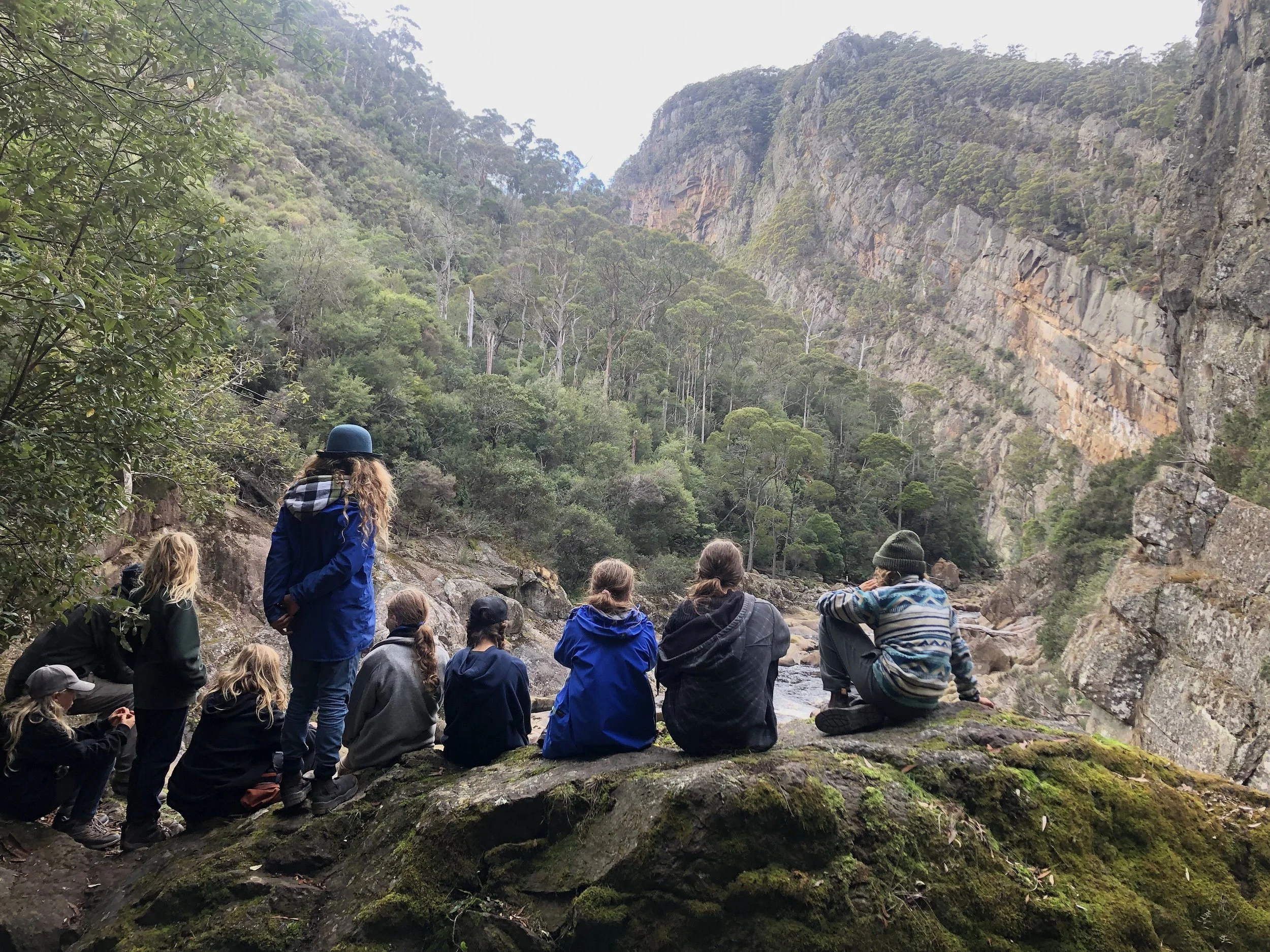
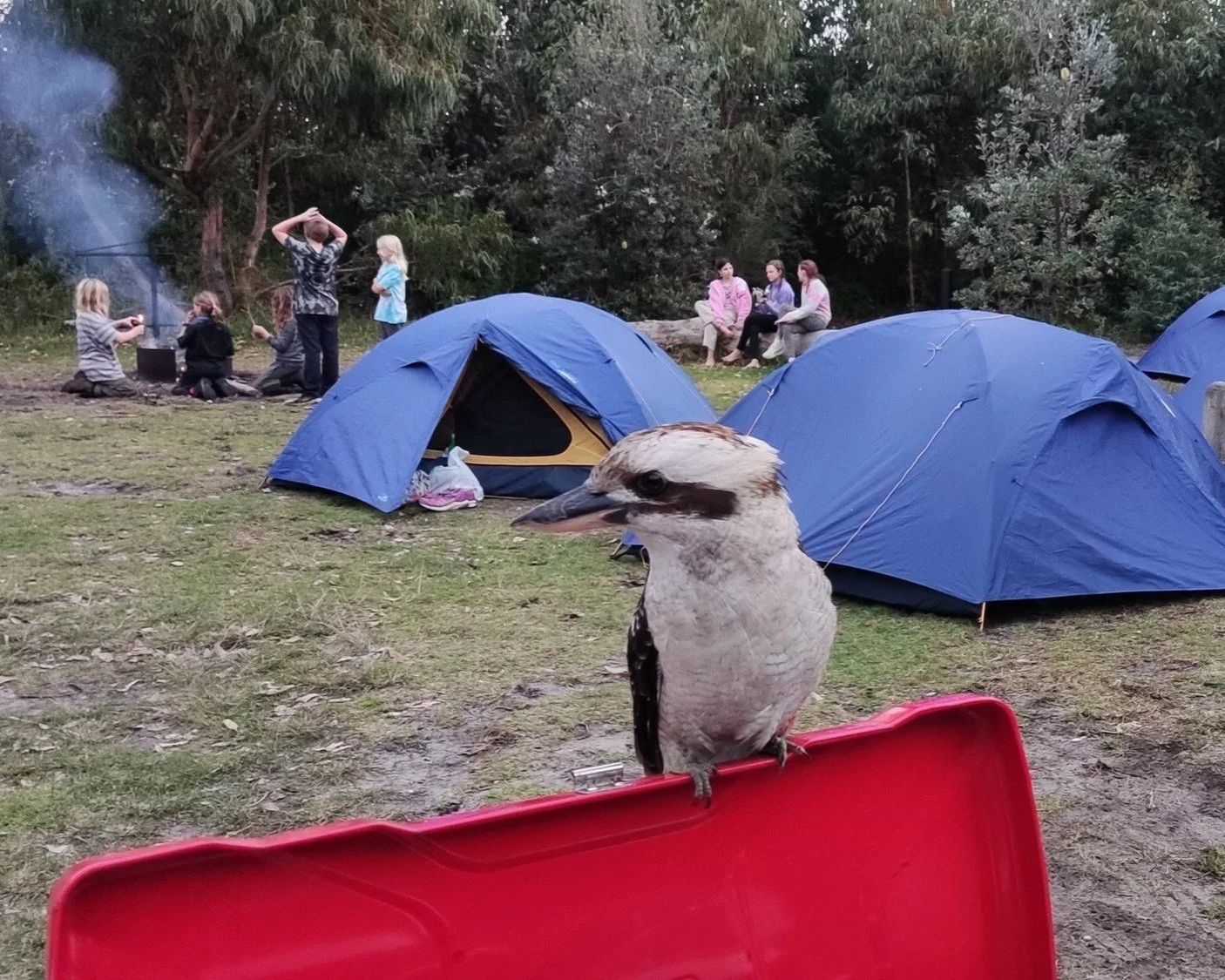
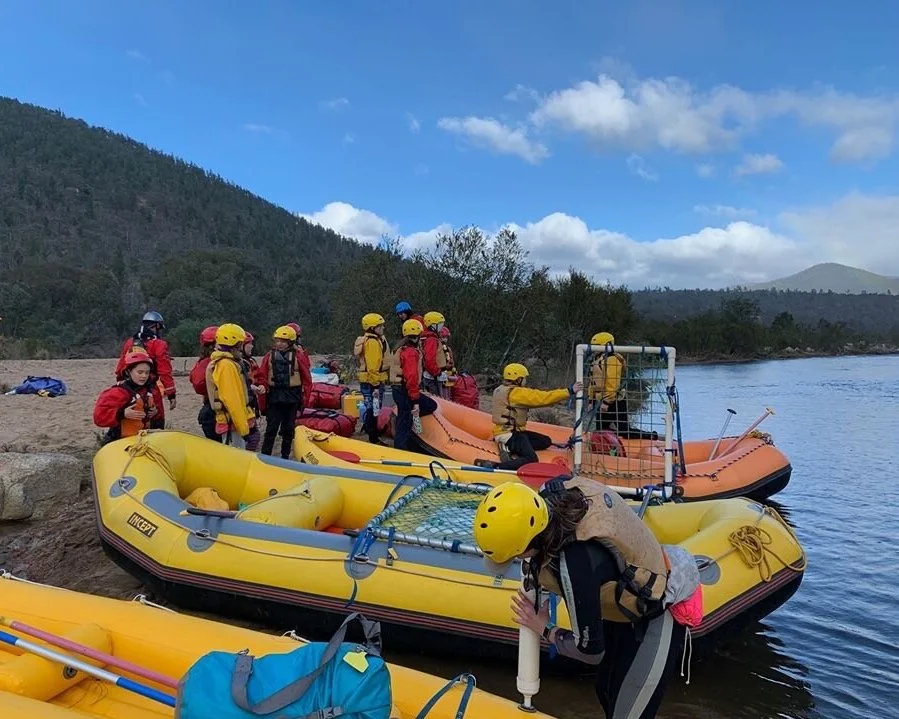
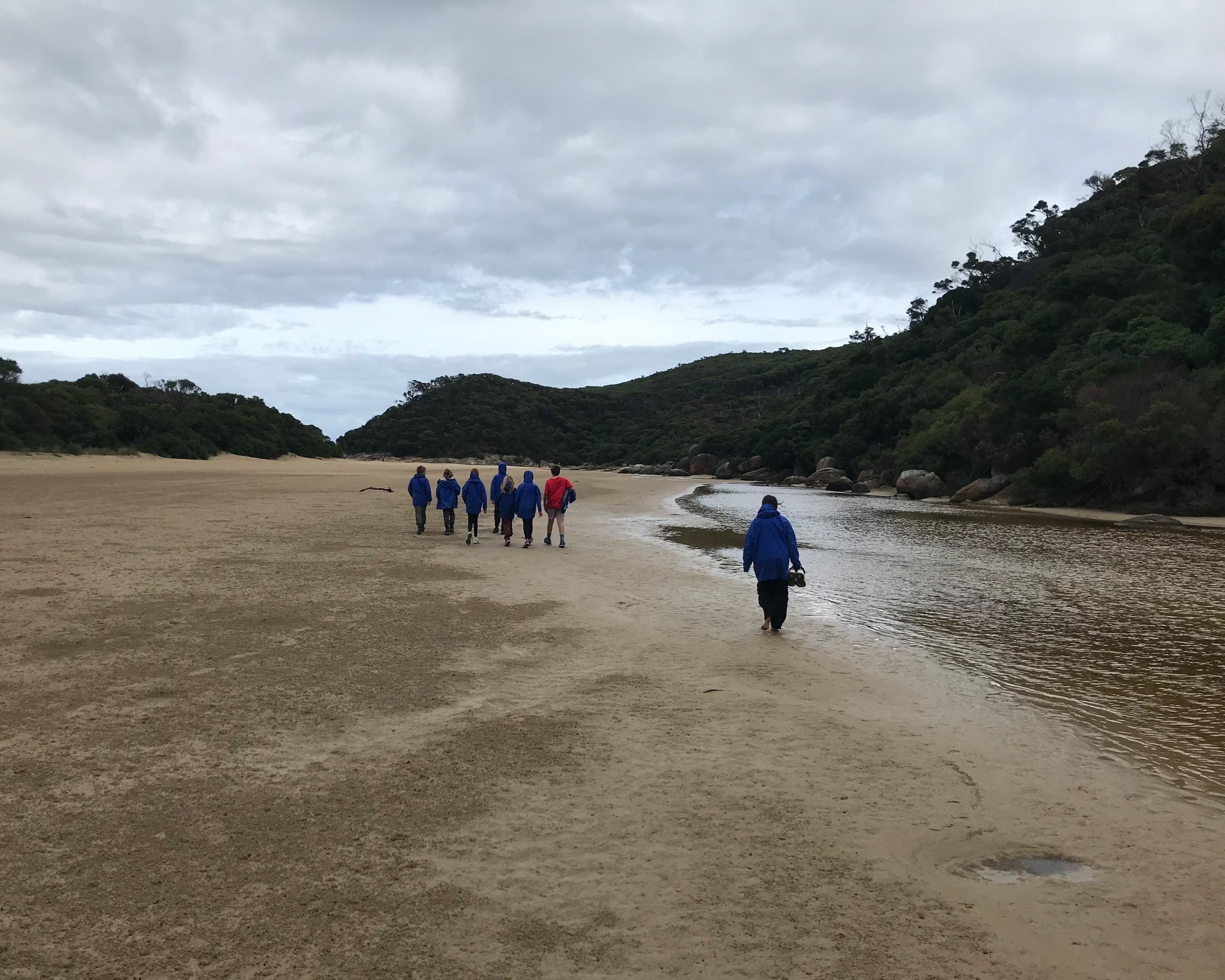
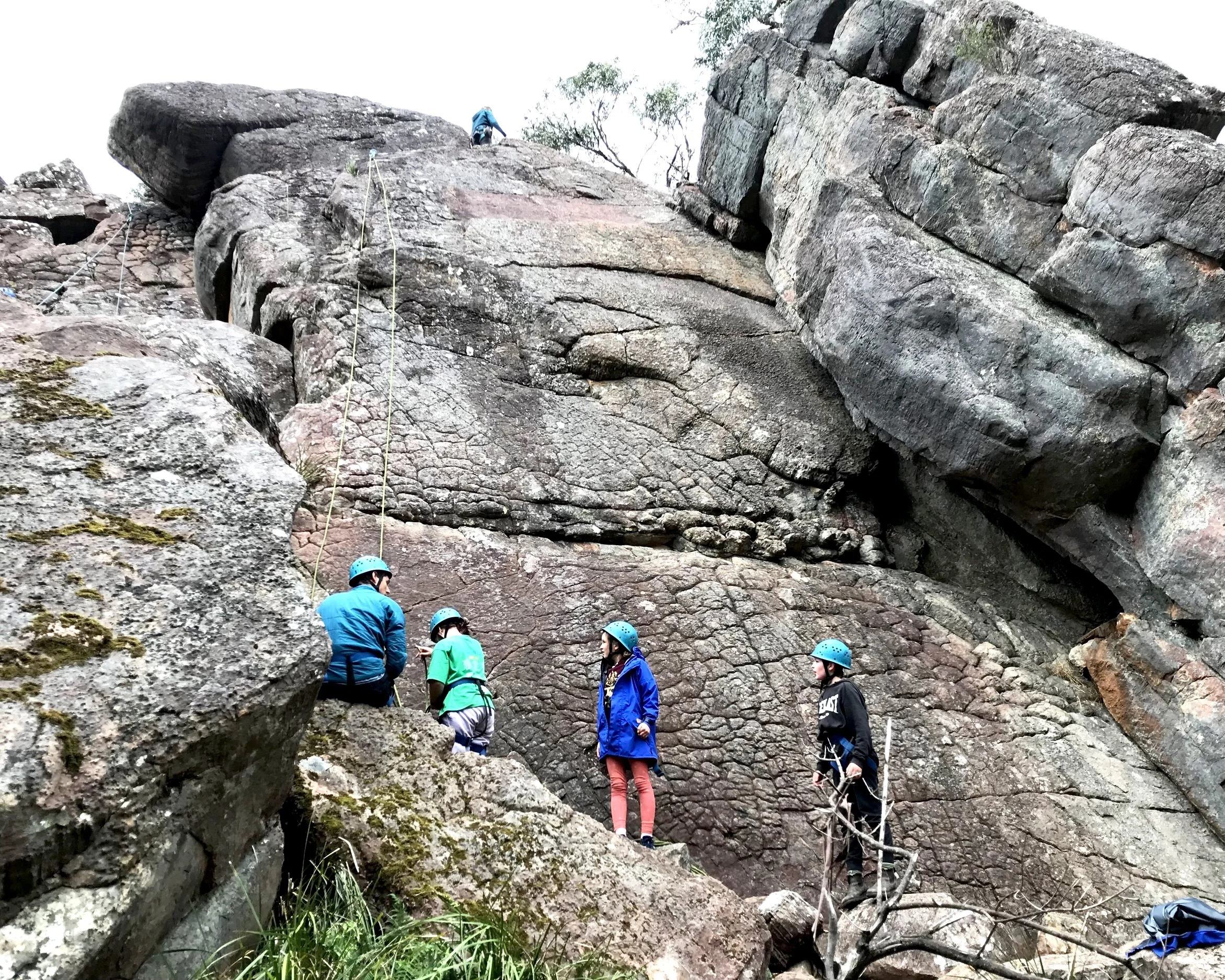
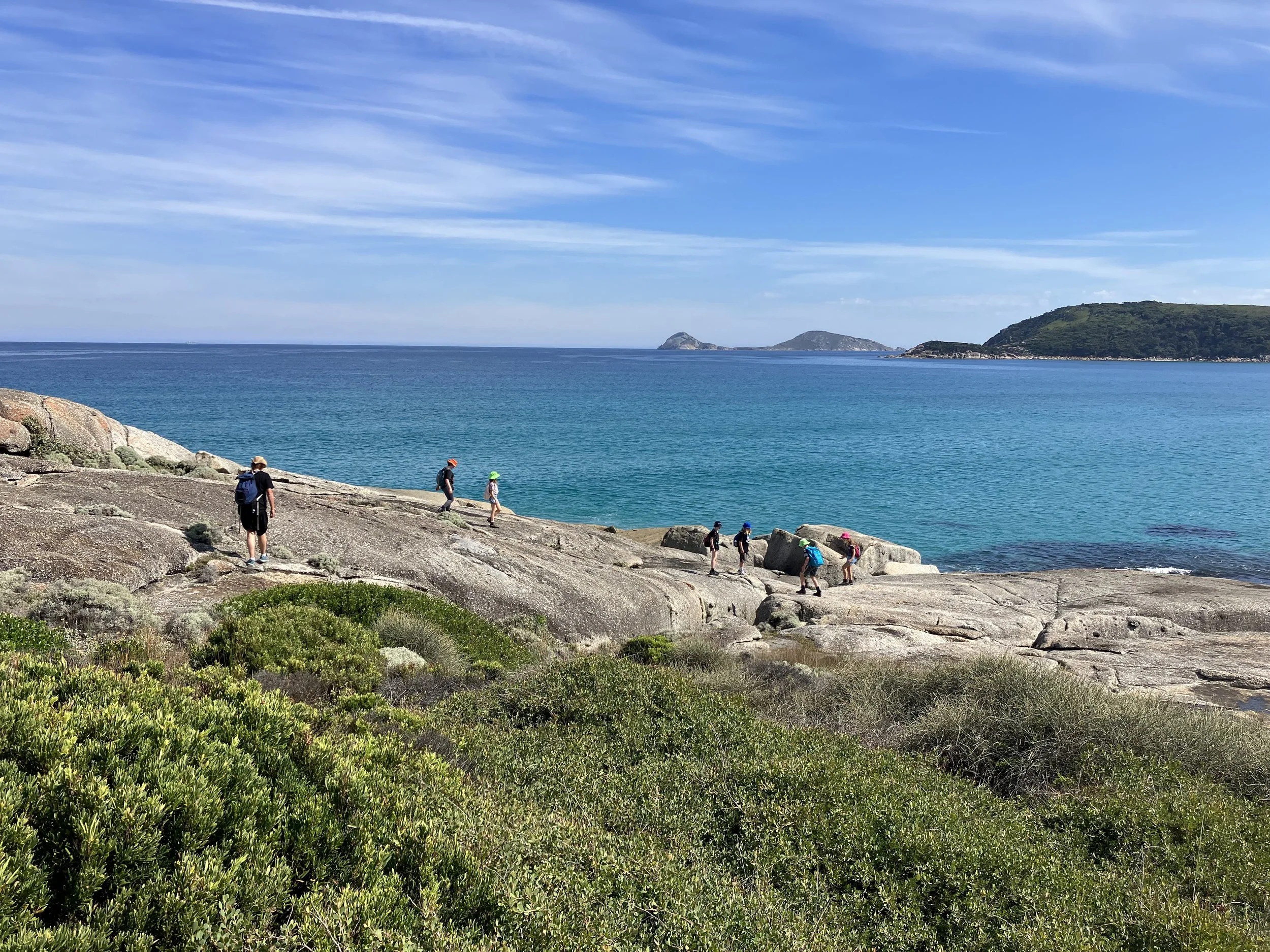
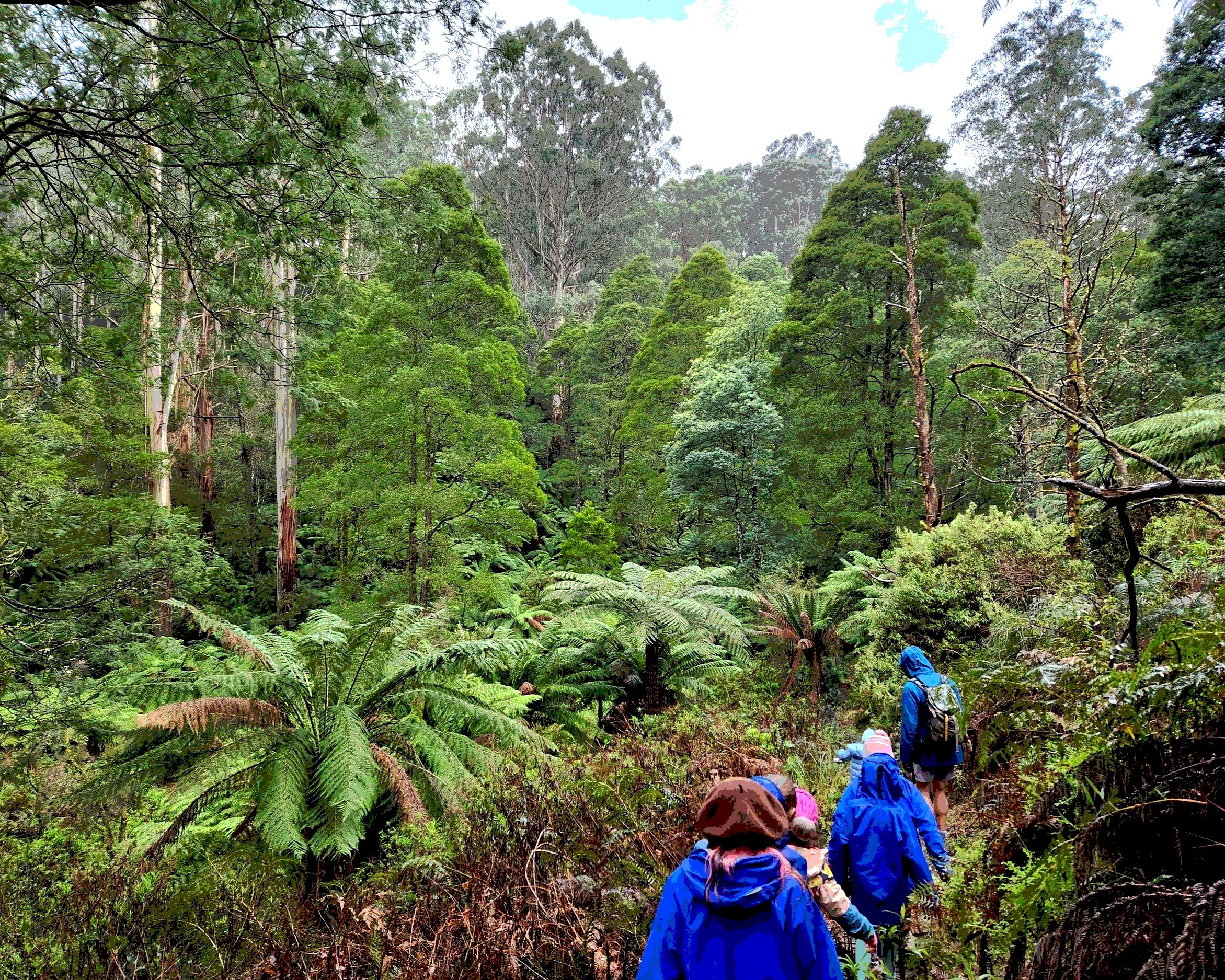
In this key program, we work with students from a perspective of awe and wonder as we get out and explore our world. We deliberately allow time and space for slowing down and pausing, as well as a variety of challenging and exploratory activities. We want our students to feel comfortable and capable in a range of locations and to be able to meet their basic needs in the outdoors. Many camps are offered throughout the year, including both compulsory and optional ones. Each camp has a unique intention, whether to develop new skills, have new experiences, or connect with others. Our camps have been as diverse as our students' interests and have included activities such as hiking, abseiling, white-water rafting, horse riding, and caving.
Day PRograms
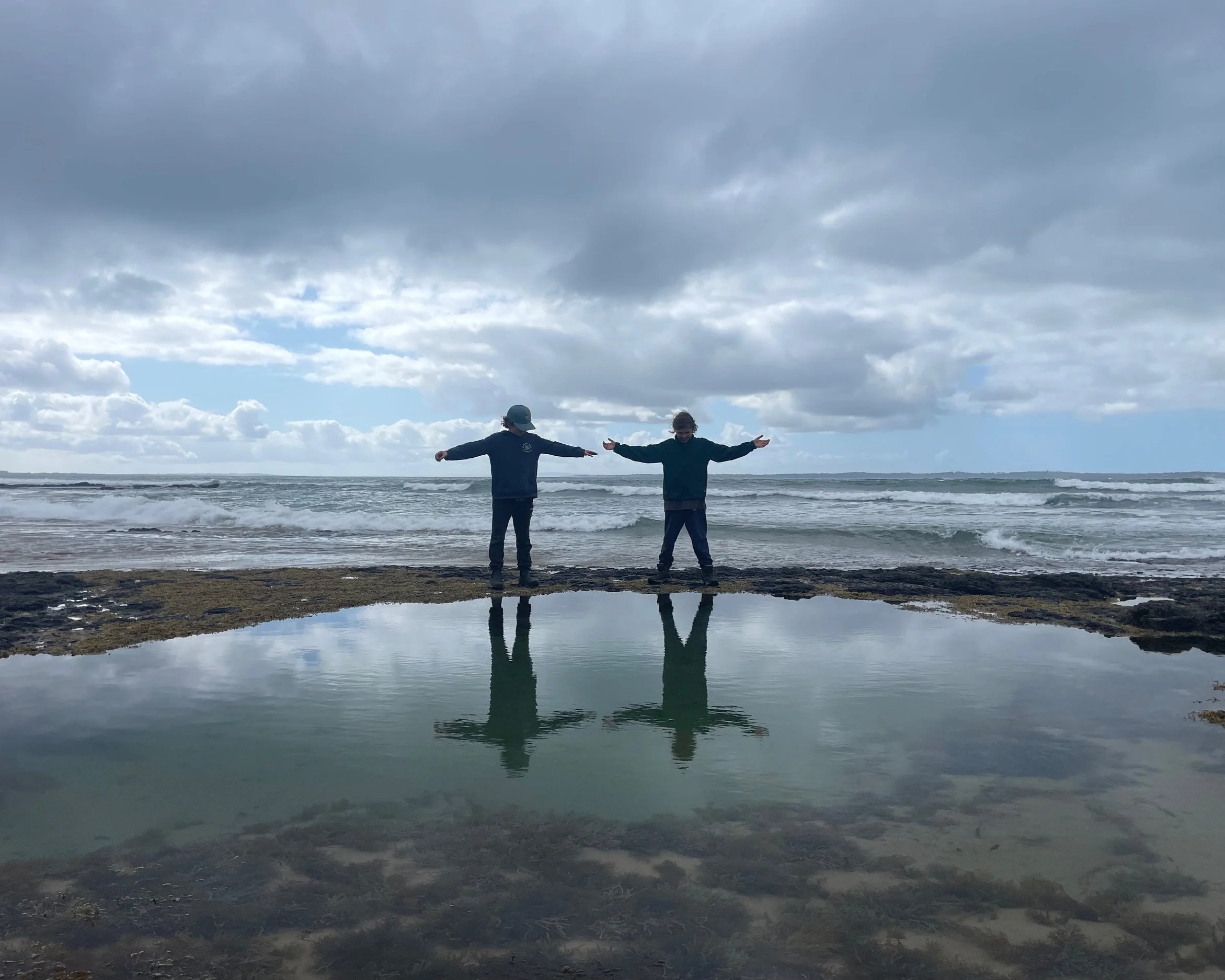
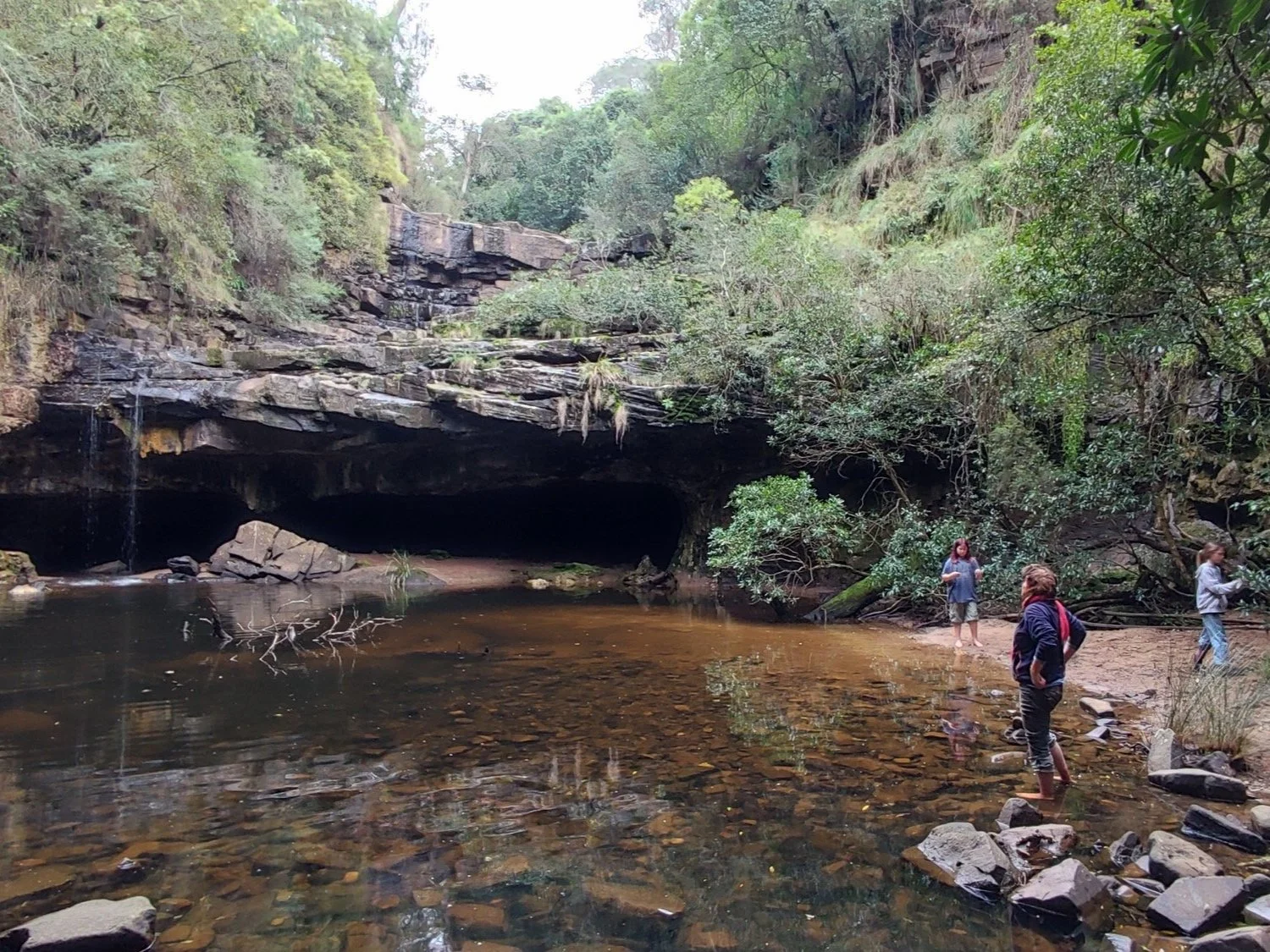
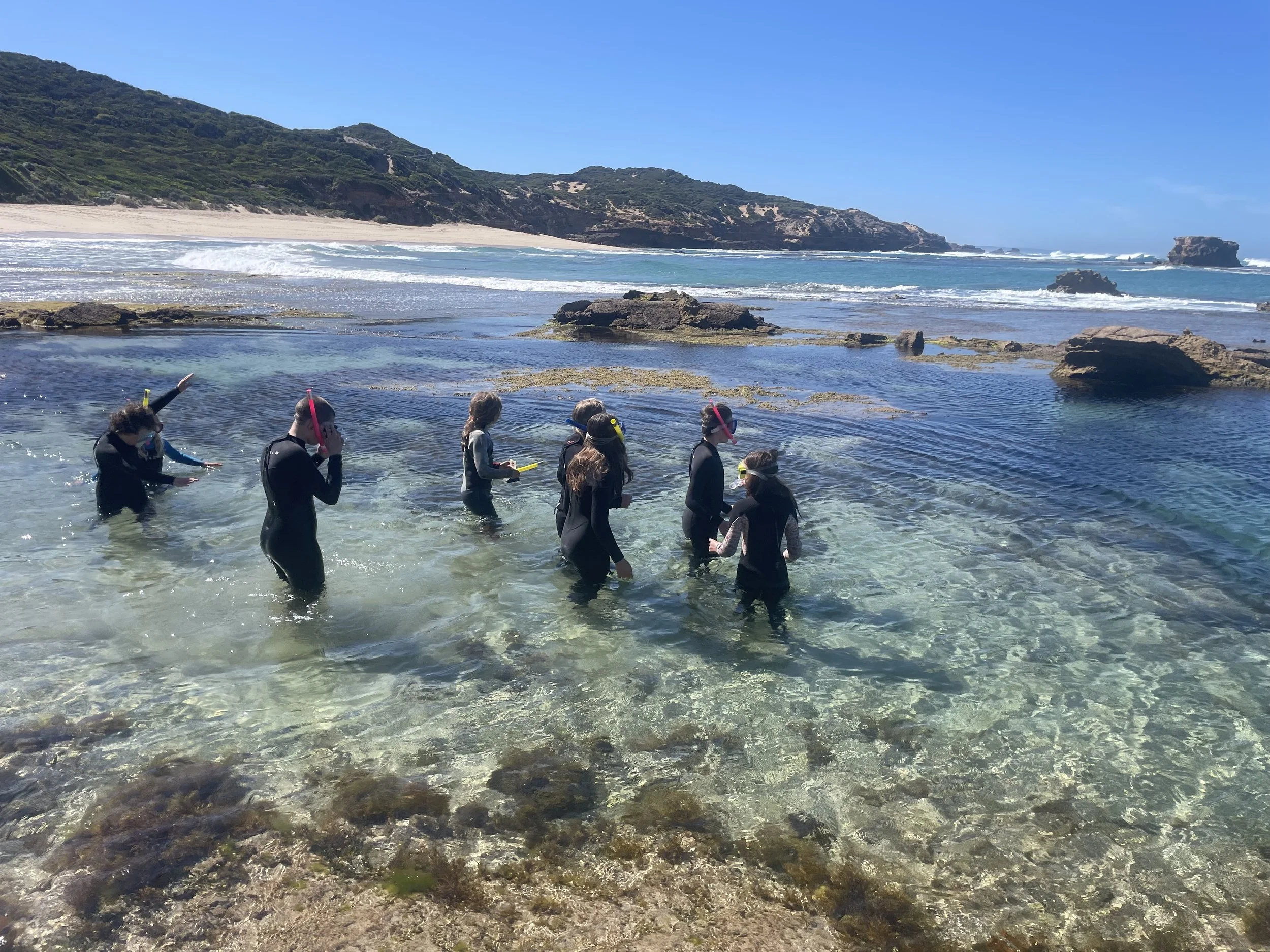
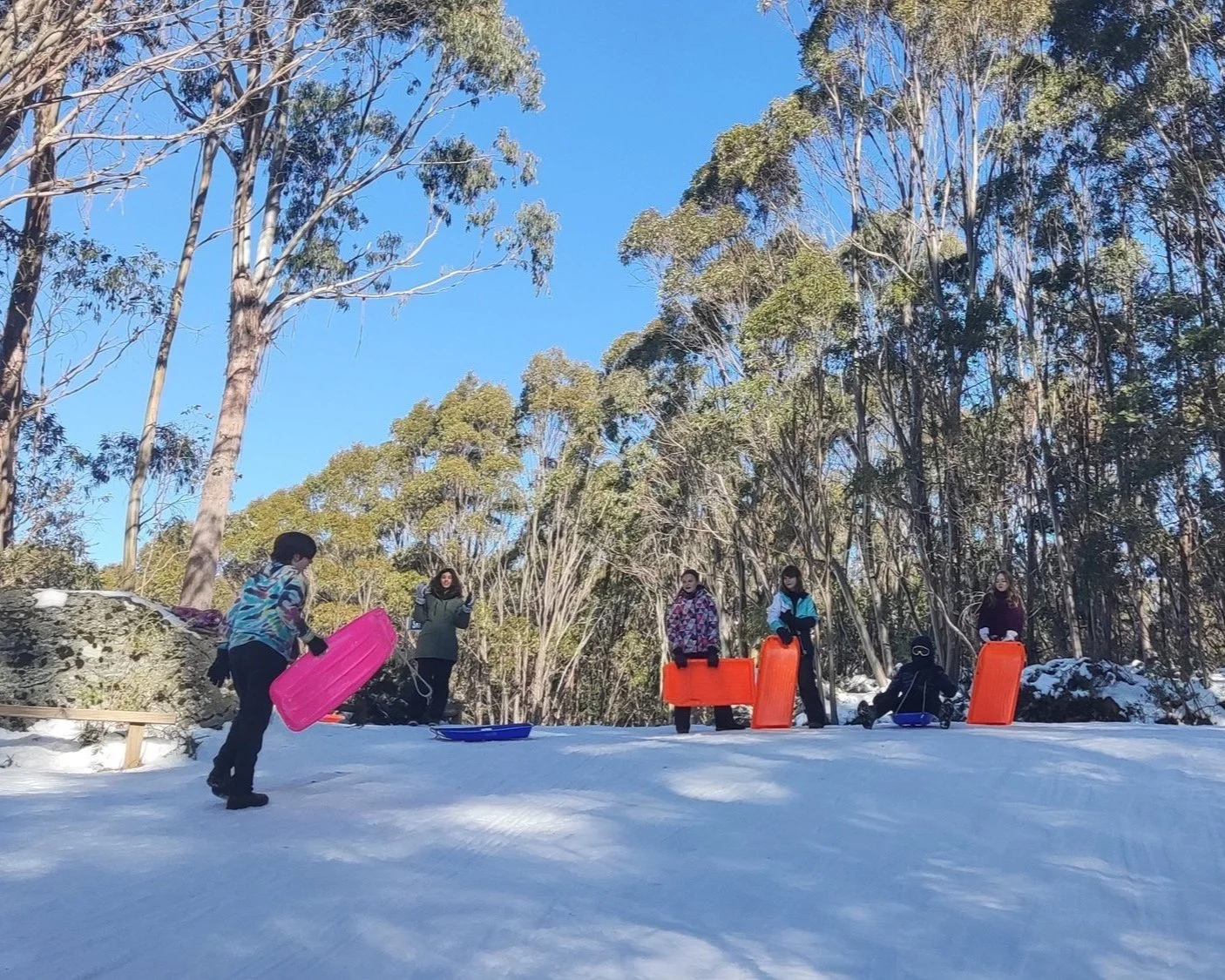
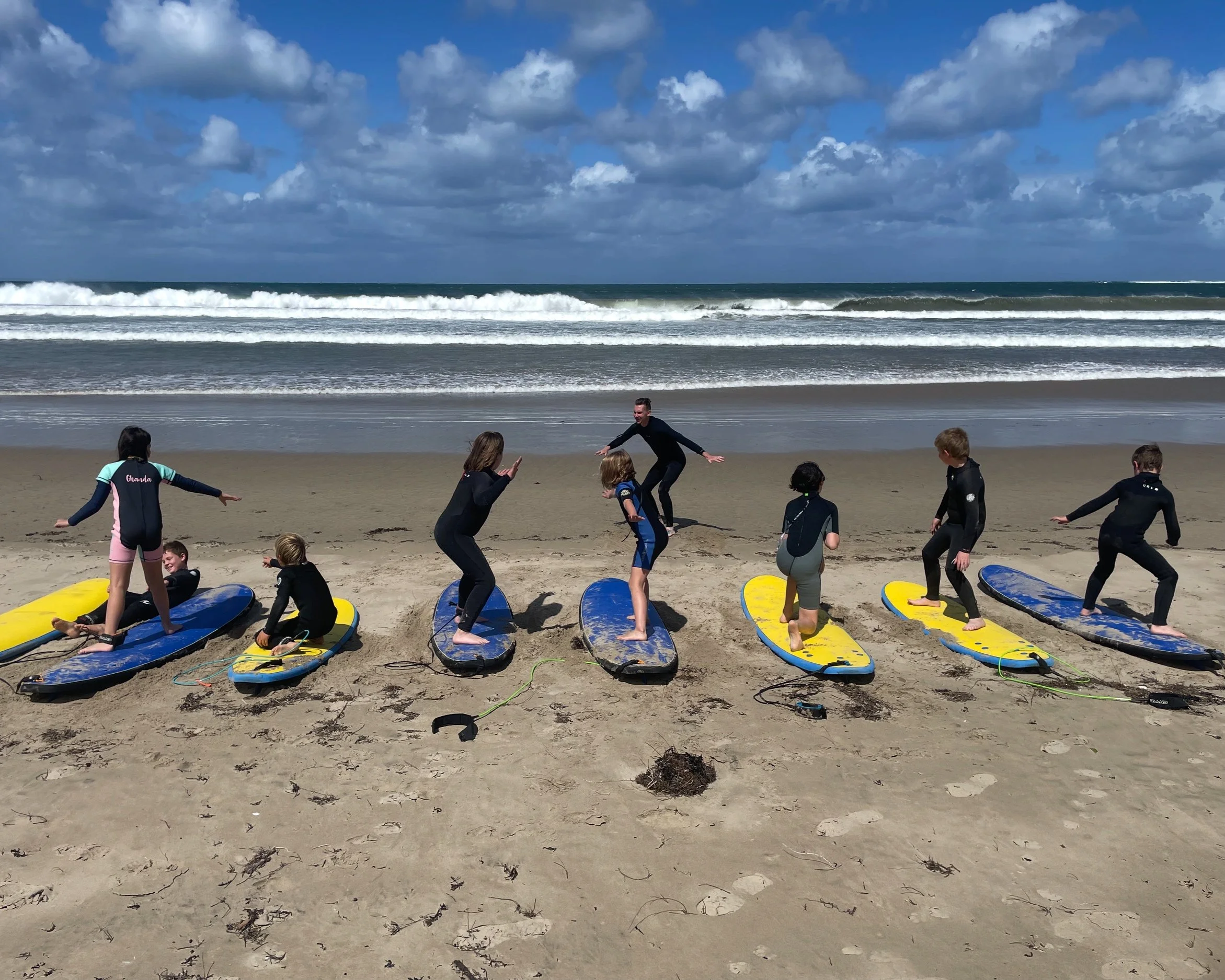
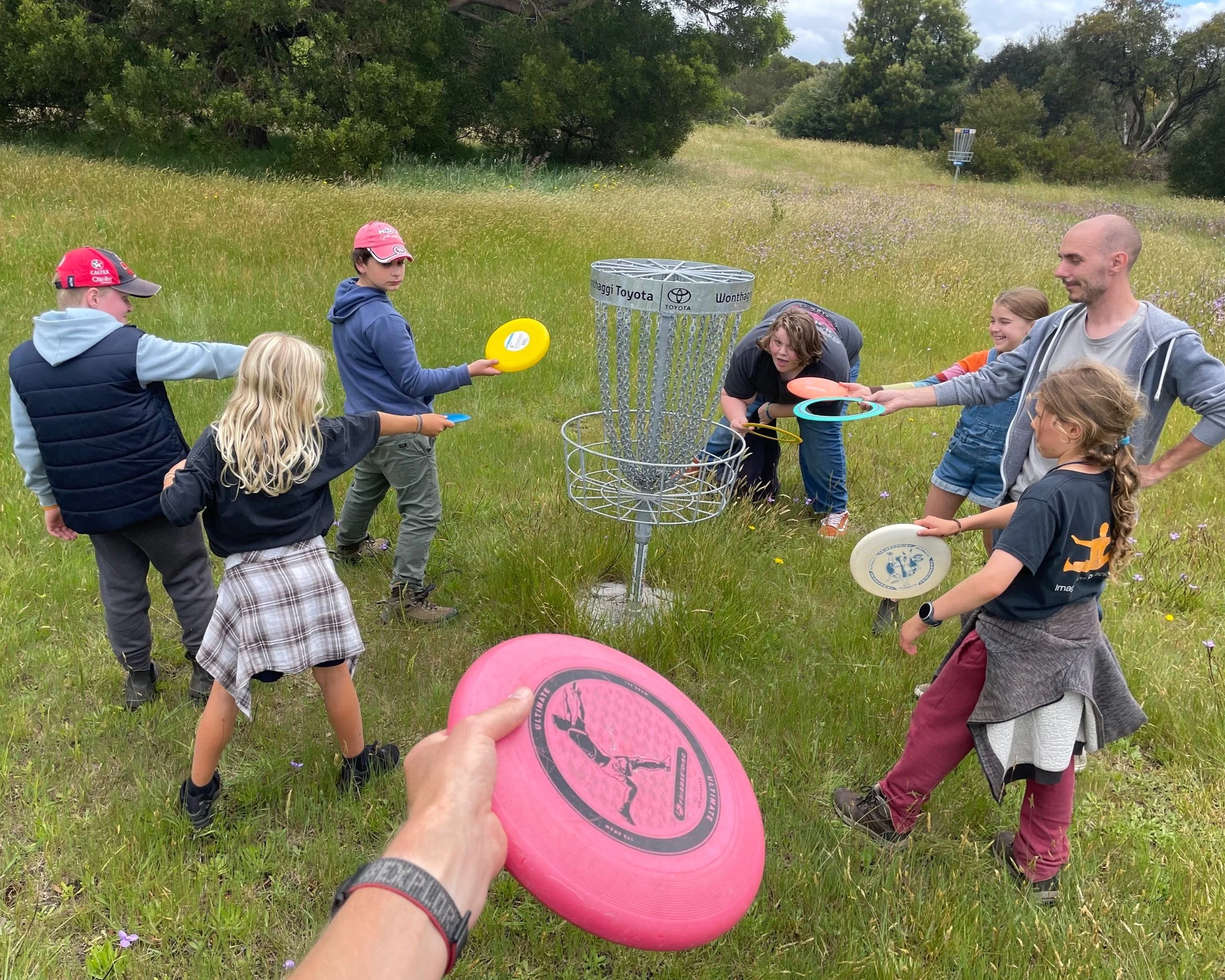
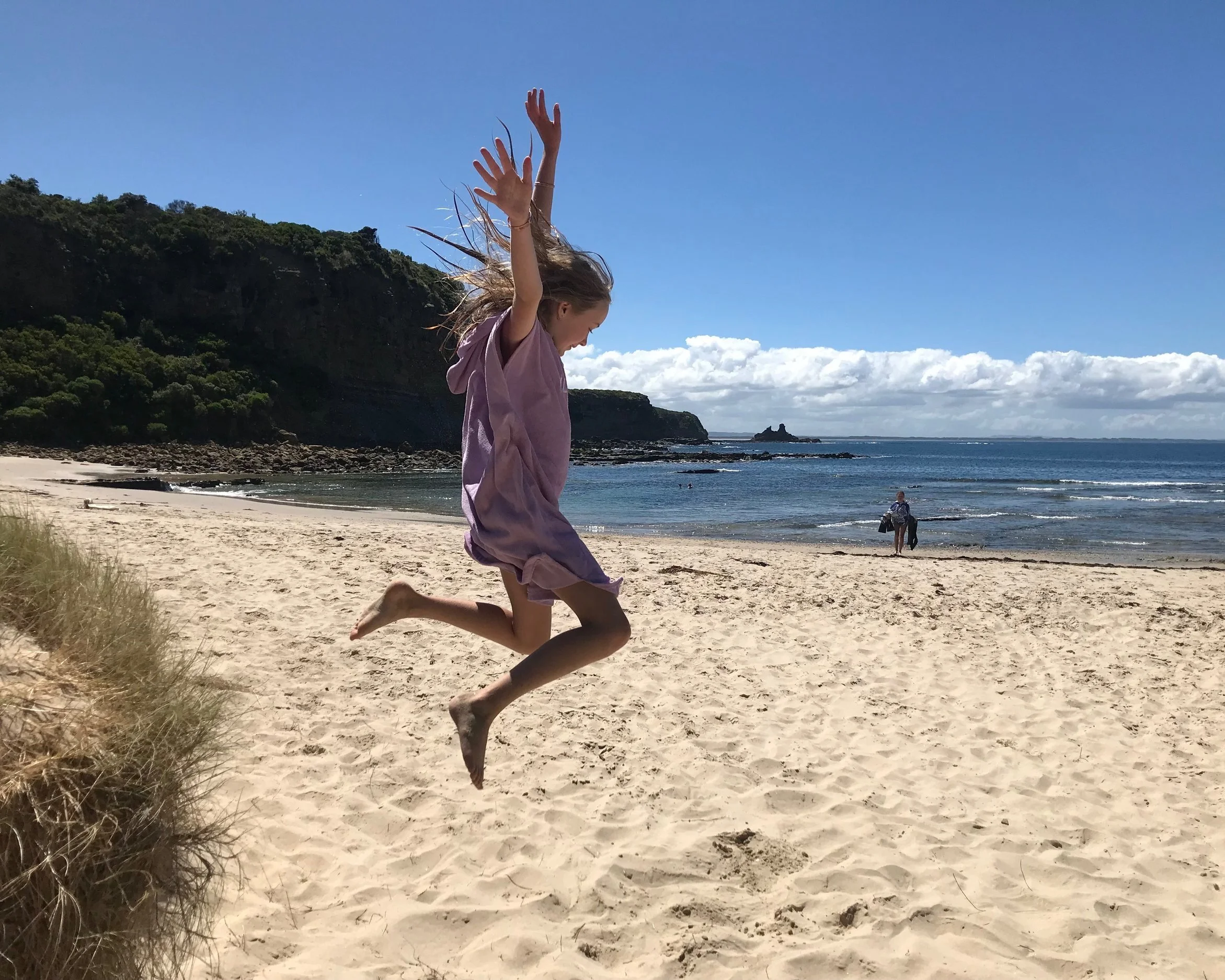
Day Programs are designed to provide students with stand-alone opportunities to get out and explore our extraordinary local environment without the additional challenge of an overnight stay. Some of our popular experiences have included snorkelling, surfing, paddling local rivers, sand duning, snow-based activities, walking/hiking, and rock-pooling.
PROJECTS
Projects are an extension of Sparks in the Sun Room and take many forms:
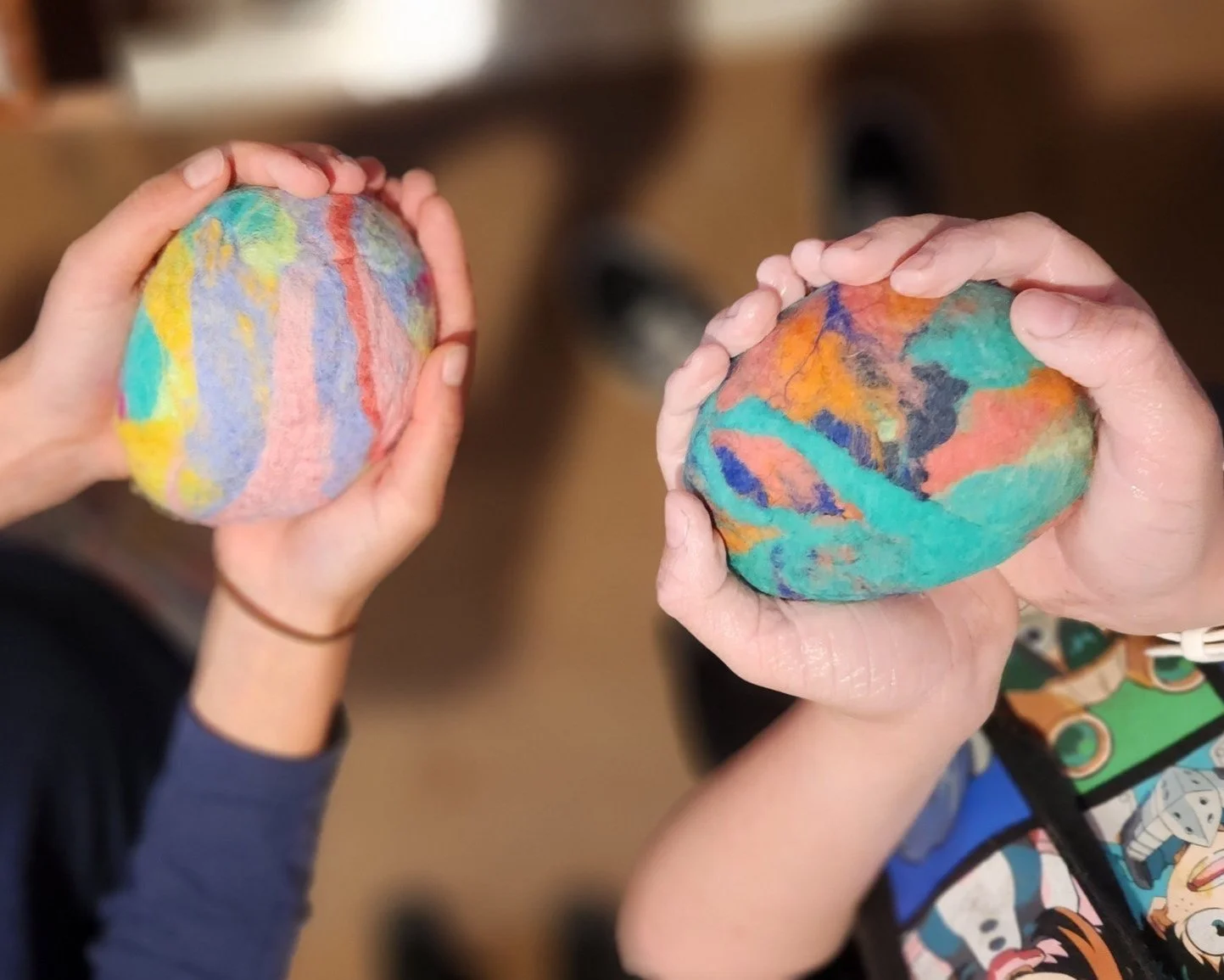
Progressive Learning Projects are a series of sign-up classes where students can learn and practise skills beyond those offered in our regular program and activities. These sessions typically span a cycle and aim to spark student interest in unfamiliar activities or deepen mastery in a specific area.
Passion Projects challenge students to take a ‘spark’ and apply it to develop enterprise skills. Students are encouraged to initiate conversations about potential projects and are supported using a non-linear approach. The program has nurtured a diverse range of projects that involve skills such as building and construction, landscaping, writing, design, and food preparation.
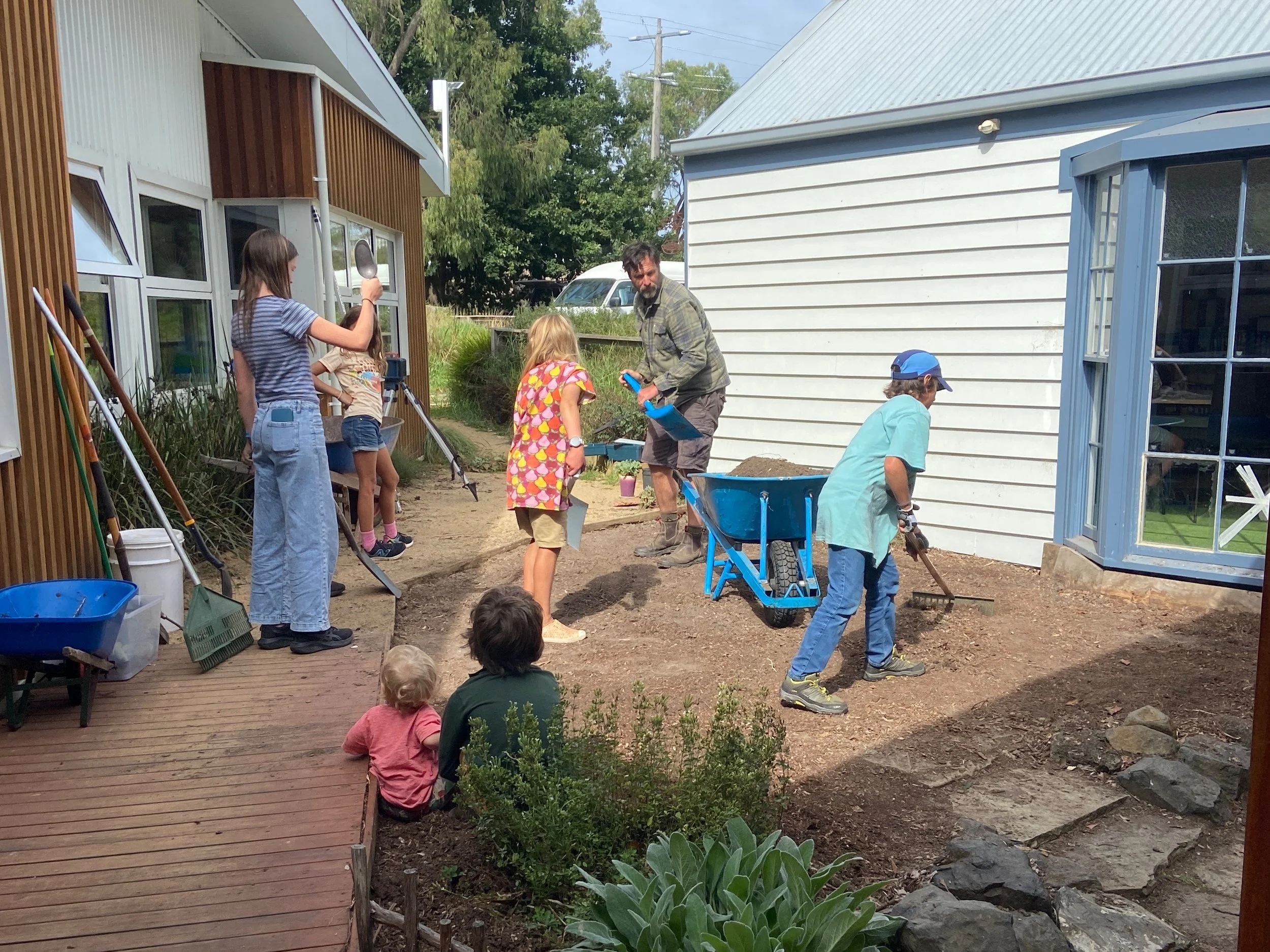
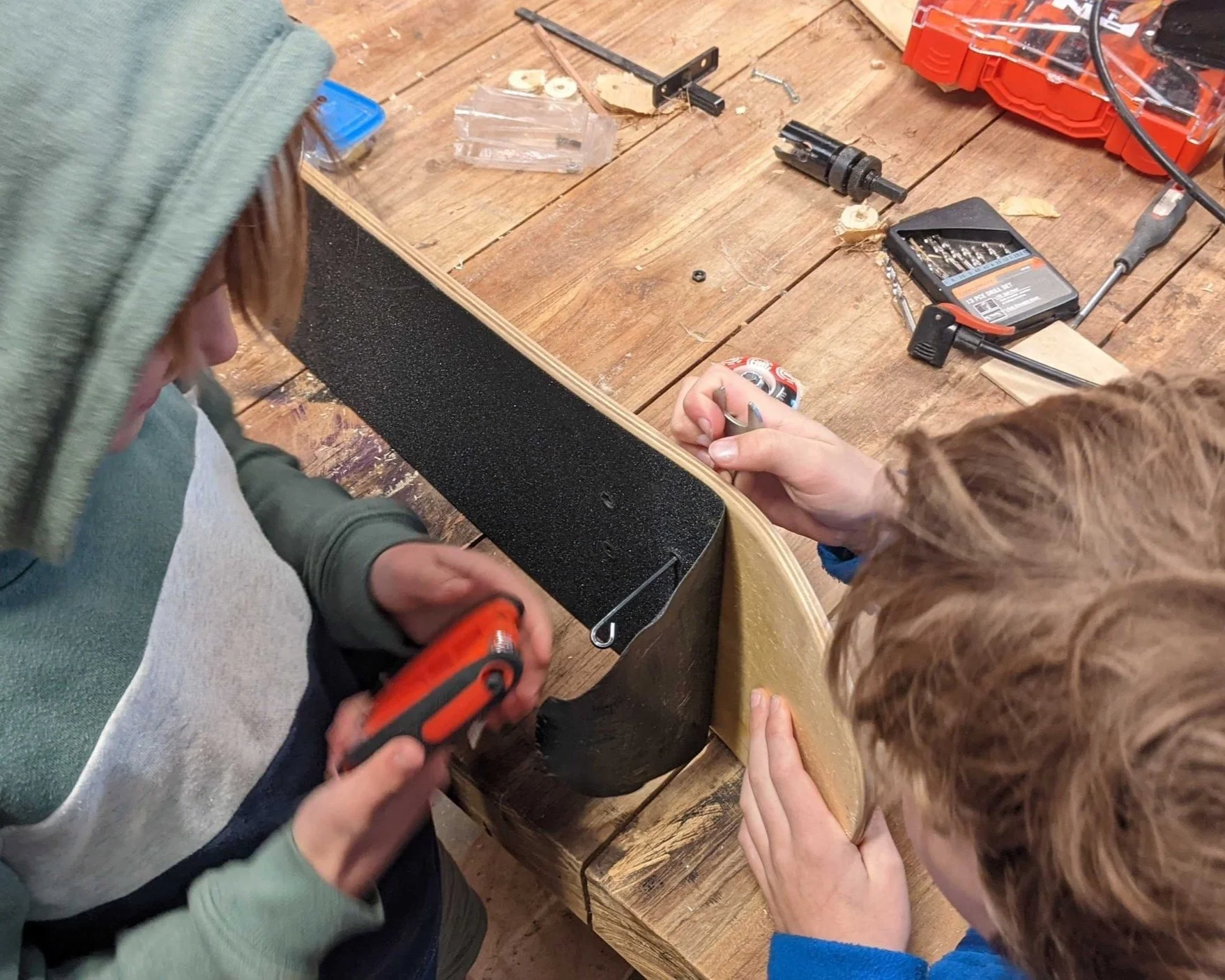
Mentor-Led Projects are also offered throughout the year as an approachable ‘stepping stone’ to Passion Projects and creatively align with the school's needs. Recent mentor-led projects include building a mini-ramp, installing a pond feature, constructing a greenhouse and designing and constructing skateboards.

ASSESSMENT AND REPORTING
Foundation students receive a portfolio of their year at school and a personal letter from their mentor, which celebrates their achievements and personal strengths. In Levels 1 – 6, written reports relating to student academic progress are provided to parents in June and December. All students receive a personal letter from a mentor, celebrating their personal growth and achievements, which relates to the Capabilities of the Victorian Curriculum. These reports are accompanied by parent/mentor/student meetings, which are offered to all families.